
Are you a parent of a child on the autism spectrum who also has one or more siblings who are not on the spectrum? If so, it can be difficult to manage these siblings' feelings and emotions while trying to support your child with autism. In this blog post from Children's Milestone, we will discuss four tips for parents that will help make managing all members of the family easier!
Open and Honest Communication
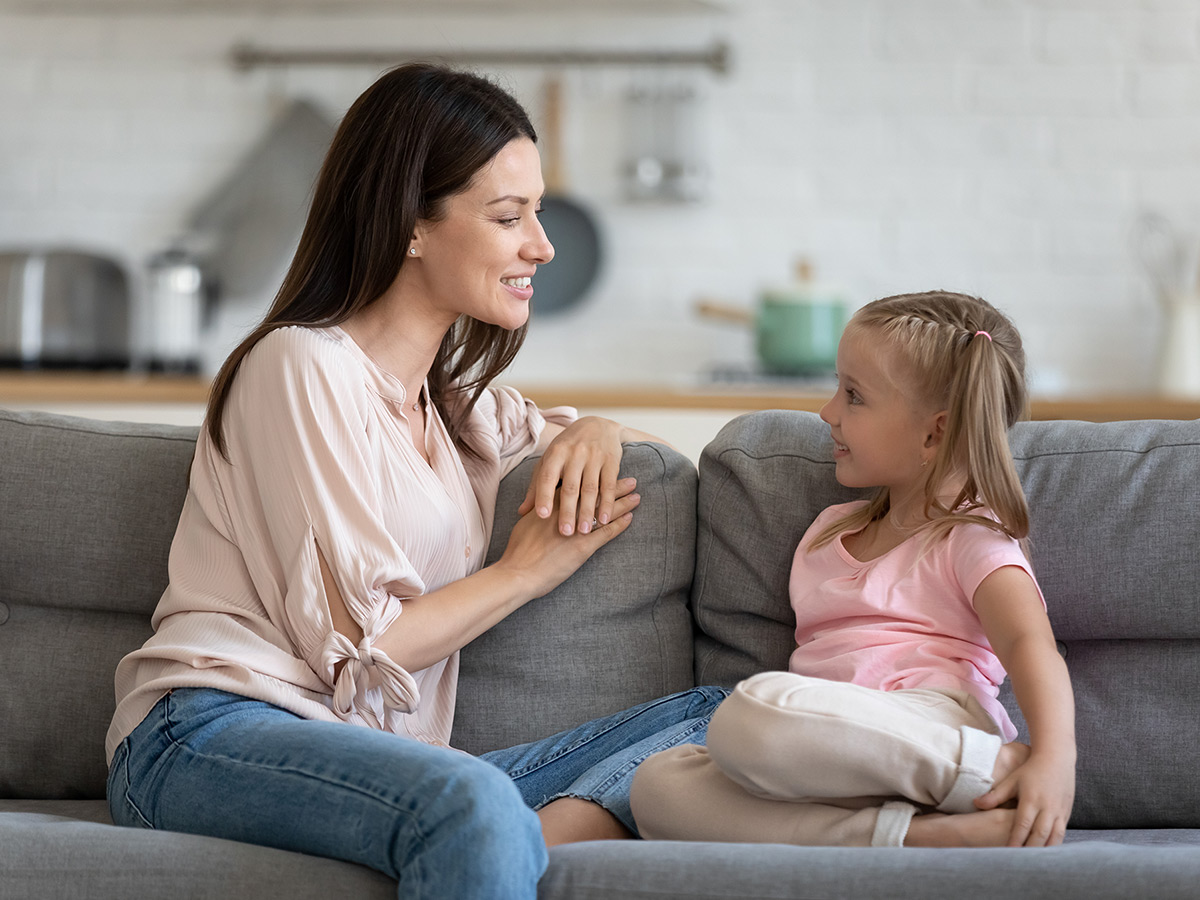
One of the most important things you can do as a parent is to maintain open and honest communication with all of your children. This includes your children who are on the autism spectrum, as well as their siblings who are not. Talk to them about autism and what it means for their brother or sister. Answer any questions they may have honestly and openly. This is also a great time to determine what scares them or makes them uncomfortable about their sibling's autism, whether it be the noises they make or the way that they act. Once you have identified these feelings, work with your child to find ways for them to cope with those feelings and overcome those fears or uncertainties.

Understanding Autism as a Spectrum
It's often helpful for siblings of children on the autism spectrum to understand what autism as a "spectrum" means and how it impacts those who are diagnosed as being on said spectrum. Autism affects everyone differently, which means that one person may be nonverbal while another will have few difficulties verbally expressing themselves. Some individuals also struggle with fine motor skills such as handwriting while others do not. By assisting all family members in better comprehending what autism is and which symptoms are exhibited by your autistic child, you may assist in reducing anxiety and give siblings confidence to be more empathetic, allowing them to become your child's most vocal advocates.
Sibling Inclusion in Treatment
One way to help siblings of children on the autism spectrum cope with their feelings is by including them in age-appropriate treatment sessions. Sometimes, helping a sibling understand how they can be helpful and supportive for your child may reduce any anxiety or fears that are associated with being around an autistic individual. Therapies that require parents or caregivers to provide continuing treatment beyond typical therapy sessions are also a wonderful opportunity to include siblings. This can be a teaching moment for both kids if your autistic youngster does not get along well with others: it's an opportunity to apply ABA principles to your child, as well as an opportunity to teach siblings how to socialize and play.


Finding Support For Siblings
While you may do everything you can for all of your children, nothing compares to coming together with others who are in similar circumstances. Sibling group meetings are a fantastic way to help your youngsters discover other kids on the spectrum. It's also important for parents to realize that there are many more families out there dealing with the same issues. It's incredibly useful to learn from other people and discover that their children face similar challenges as theirs. Peer relationships provide a channel for shared feelings and offer guidance and insight on how to handle relationships as the children develop.
Managing siblings of children with autism is no easy task. However, by being open and honest about the topic while teaching empathy to all members of your family, you can help each child learn how to cope with their feelings in a healthy way that will not only benefit them but others around them as well!