
Autism spectrum disorder (ASD) is a developmental condition that affects individuals across all ages and backgrounds. At Children’s Milestone, we strive to raise autism awareness and offer tailored support for autistic individuals, from babies to adults. By understanding who autism affects, we can better address their unique needs through applied behavior analysis (ABA) and other evidence-based practices.
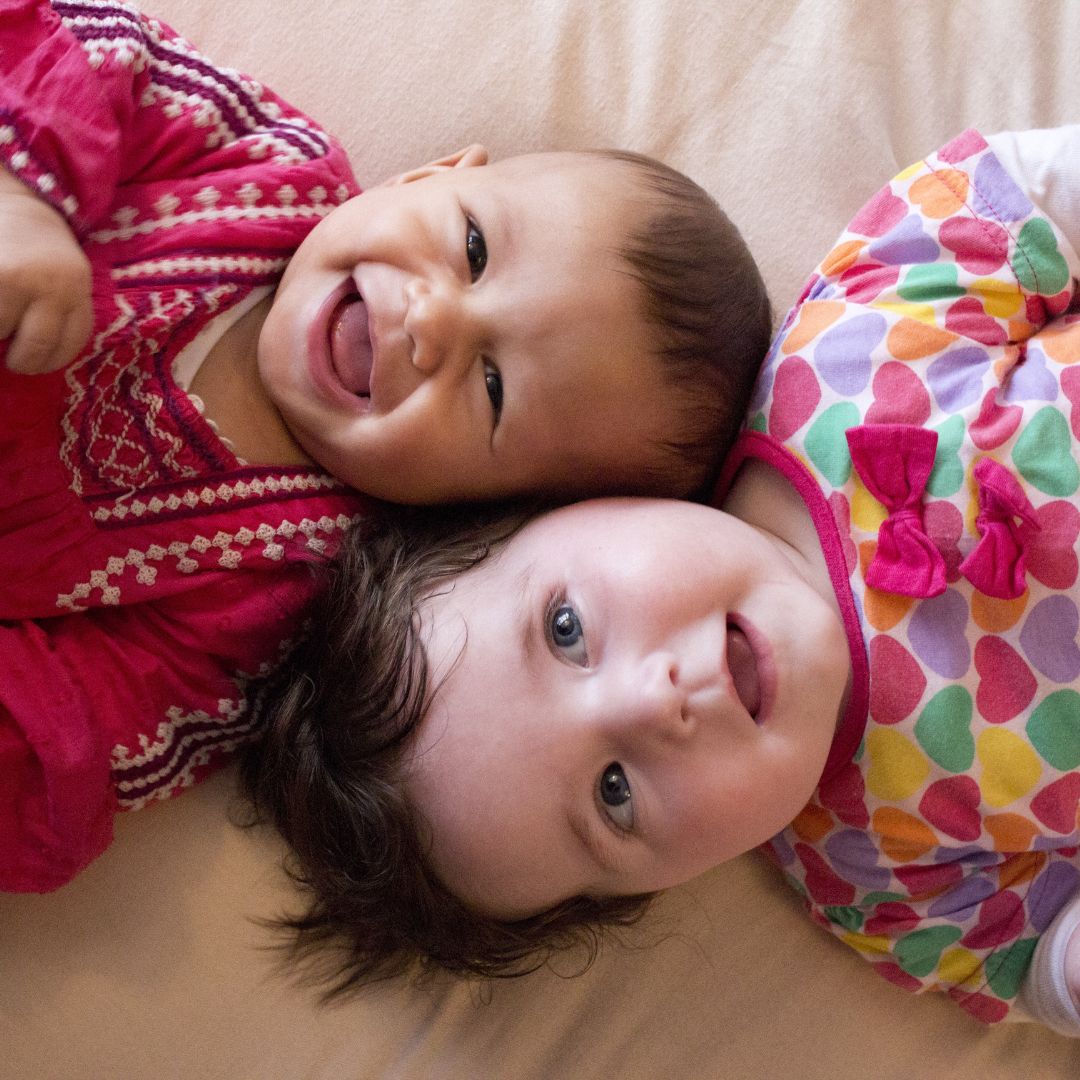
Autism in Babies: Early Indicators
Autism can be detected in babies, though early signs may be subtle. Parents should be aware of signs such as limited eye contact, difficulties with social engagement, and delays in responding to their name. Early signs of autism can help in seeking timely intervention, which is crucial for setting the foundation for effective therapy and support.

Autistic Kids and Their Unique Needs
As children grow, the signs of autism can become more pronounced. Autism in toddlers might include challenges in communication, such as limited speech or unusual language patterns, and repetitive behaviors. Understanding these signs helps in providing appropriate support and interventions, such as ABA therapy, which is designed to improve functional skills and quality of life for autistic kids.
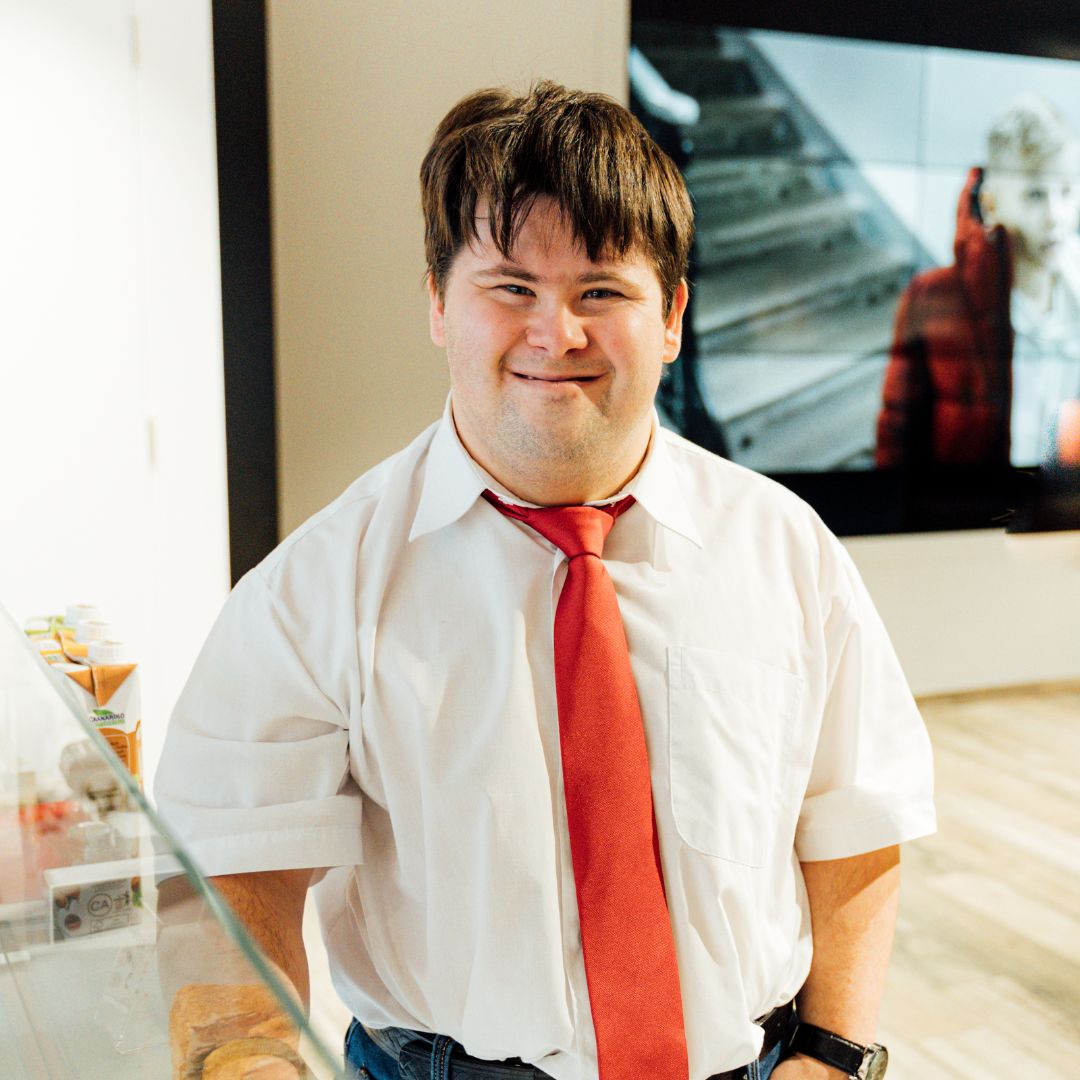
Autism in Adults: Ongoing Support
Autism doesn’t end with childhood; many individuals continue to experience its effects into adulthood. Autism in adults can present as difficulties in social interactions, communication, and managing daily tasks. Continued support and tailored interventions remain important throughout life, ensuring that adults with autism can lead fulfilling and independent lives.

Comprehensive Support for All Ages
Autism affects individuals at every stage of life, from infancy through adulthood. Recognizing the signs of autism in babies, toddlers, and adults allows for timely and effective intervention.
At Children’s Milestone, our mission is to provide personalized, evidence-based support through ABA therapy and other services to enhance the lives of autistic individuals. If you suspect your child or loved one may be on the spectrum, contact us to explore how we can help.