
For any parent, watching a child grow is an incredible journey of discovery. Every smile, every word, and every new skill is a milestone to cherish. However, sometimes we notice patterns or behaviors that don’t quite fit the typical developmental timeline. If you’re asking, “What are the signs of autism in toddlers?” you are taking a crucial first step. Early detection opens the door to effective support. At Children’s Milestone, we understand these concerns and want to guide you through recognizing some of the earliest autism symptoms so you can seek the help your child deserves.

Understanding Early Communication Differences
We know that language development varies, but certain non-verbal and verbal communication patterns can be early indicators. Look for a lack of pointing to share interest, such as pointing at a bird or a toy, or a failure to consistently respond when their name is called. These differences are often among the first autism symptoms parents notice and should be discussed with a pediatrician.
Observing Repetitive Behaviors and Restricted Interests
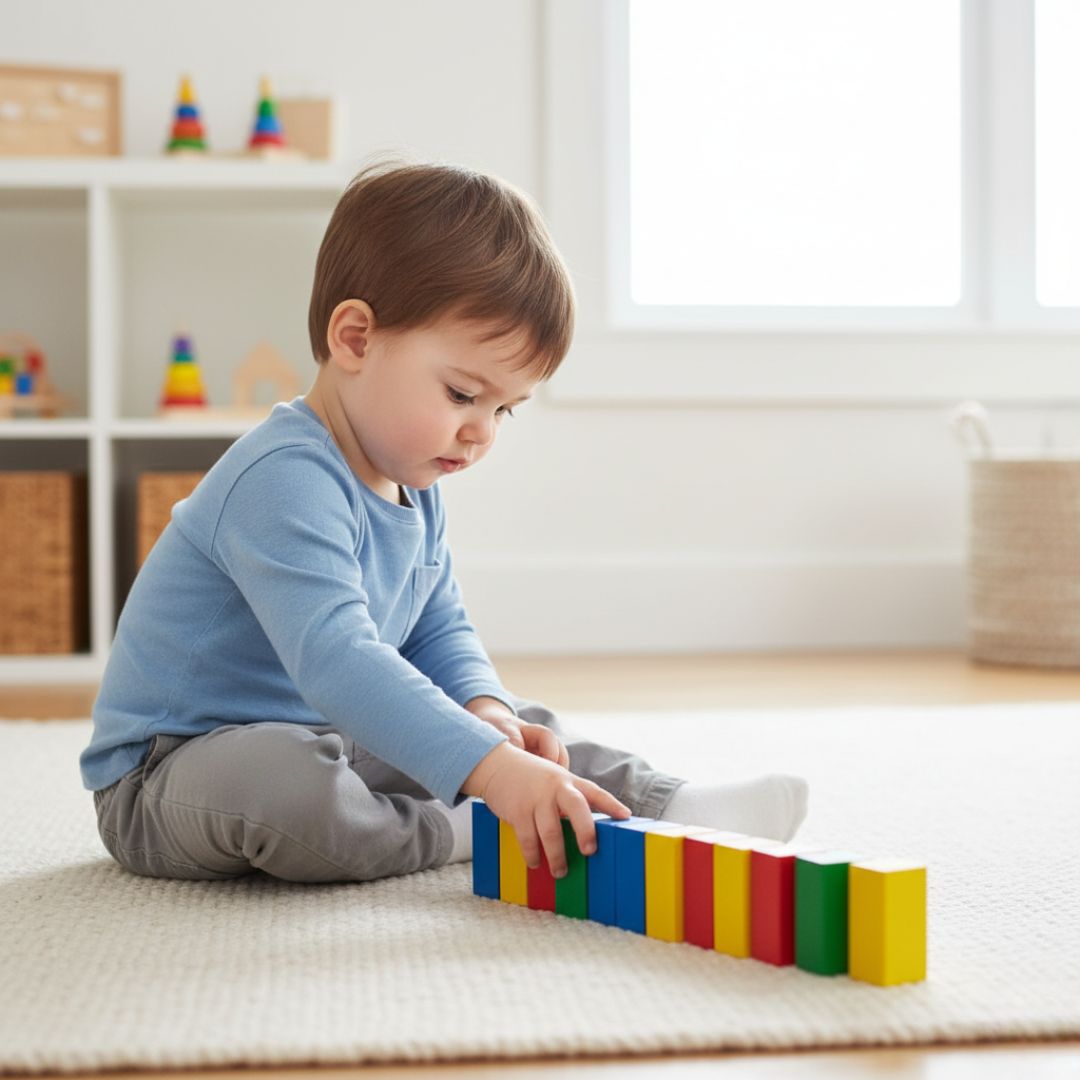
We often see children engage in repetitive play, but in autism, these behaviors can be intense and interfere with other activities. This might include lining up toys in a precise way, hand-flapping, or rocking back and forth. They may also show intense, focused interest in specific objects, like the wheels of a car, rather than the whole vehicle. These restricted and repetitive behaviors are important signs of autism in toddlers that warrant professional screening.
Difficulties with Social Interaction and Reciprocity
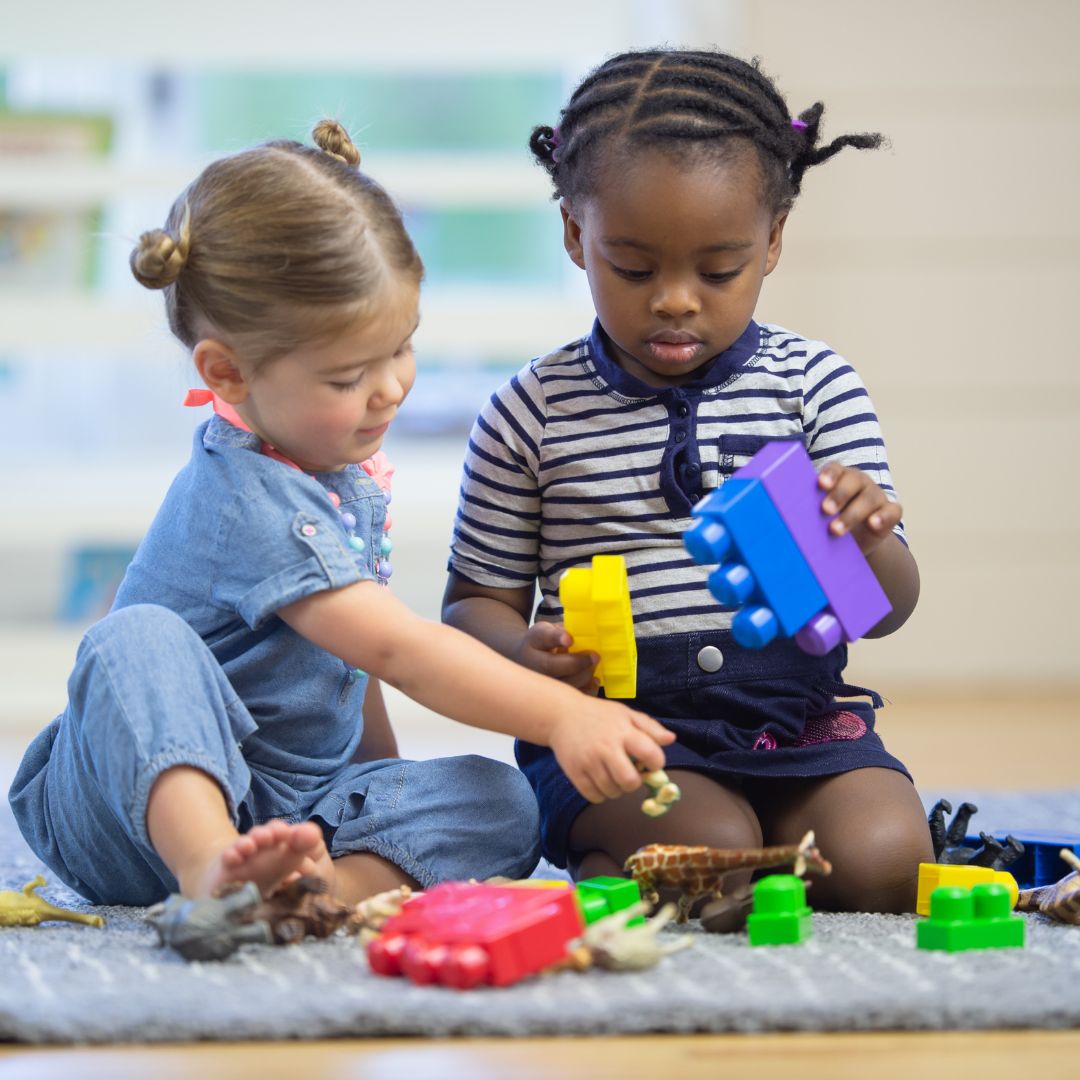
We look at how toddlers initiate and respond to social overtures from others. A child might not make frequent eye contact, or they may seem to prefer playing alone rather than engaging with peers or adults. A lack of social imitation, such as copying a parent’s funny face, can be an indicator. Our ABA therapy approach is highly effective in teaching these fundamental social and play skills through positive reinforcement.
Differences in Sensory Processing and Responses
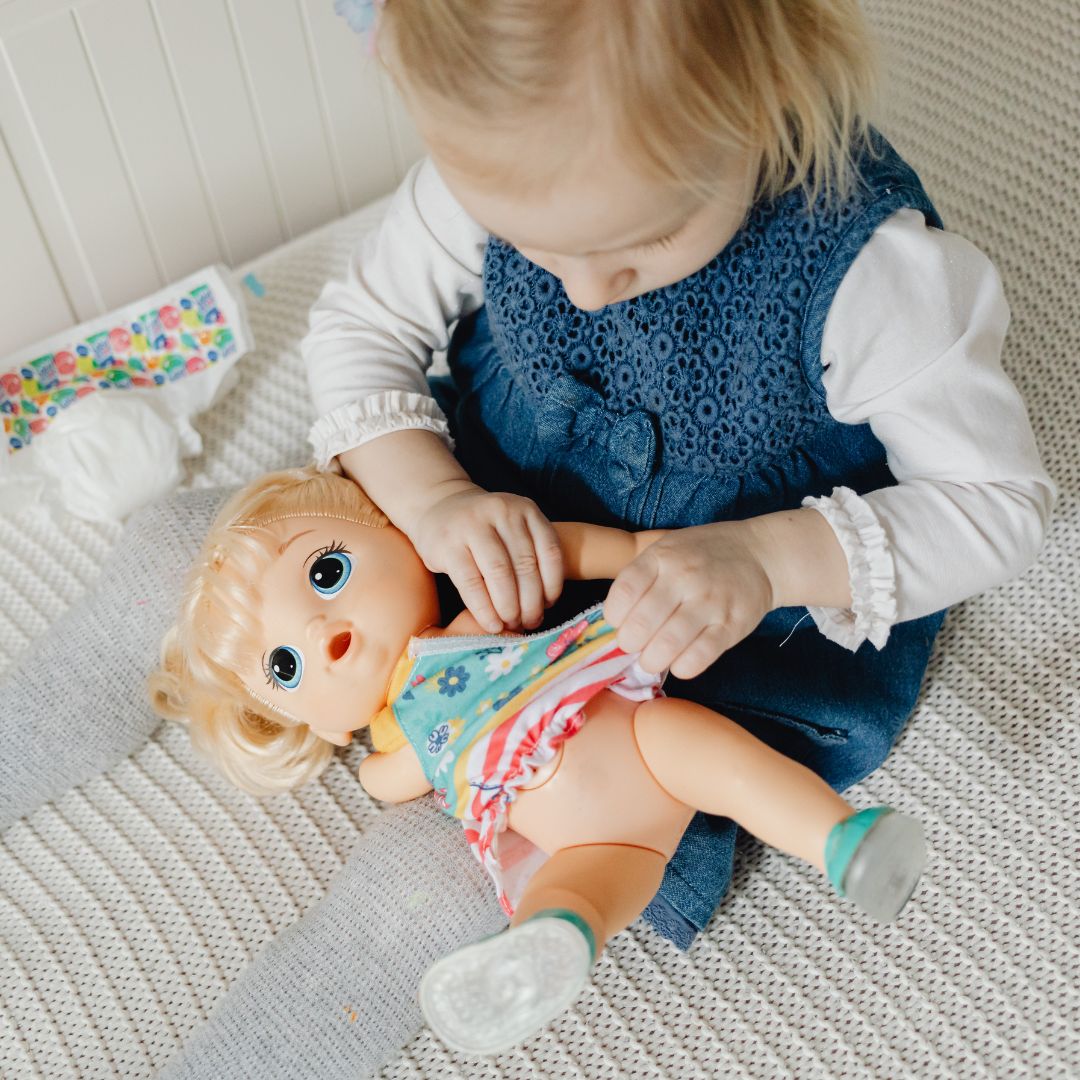
We understand that a child’s response to their environment can sometimes indicate sensory processing differences. Your toddler might show extreme sensitivity to loud noises, certain textures of clothing, or bright lights. Conversely, they might have an unusually high pain tolerance or seek out intense sensory input, like spinning or crashing into things. Recognizing these unique responses is a vital part of understanding the full spectrum of autism symptoms.
Recognizing the earliest autism symptoms is the most powerful action we can take as caregivers to ensure a child’s long-term success. At Children’s Milestone, we specialize in comprehensive evaluations and provide personalized autism therapy, including effective ABA therapy programs. We are committed to partnering with your family to navigate this journey. Contact us for a free consultation today.
