
For parents of children with autism spectrum disorder (ASD), the social world can seem like a complex maze. Social interactions, unwritten rules, and understanding nuanced cues often present significant challenges for children with autism. However, with the right support and strategies, autism in kids doesn’t have to be a barrier to building meaningful relationships and navigating social situations with confidence. This blog post from Children’s Milestone explores essential social skill training that can empower your child on their journey through the social landscape.
Understanding Social Skills and Autism Spectrum
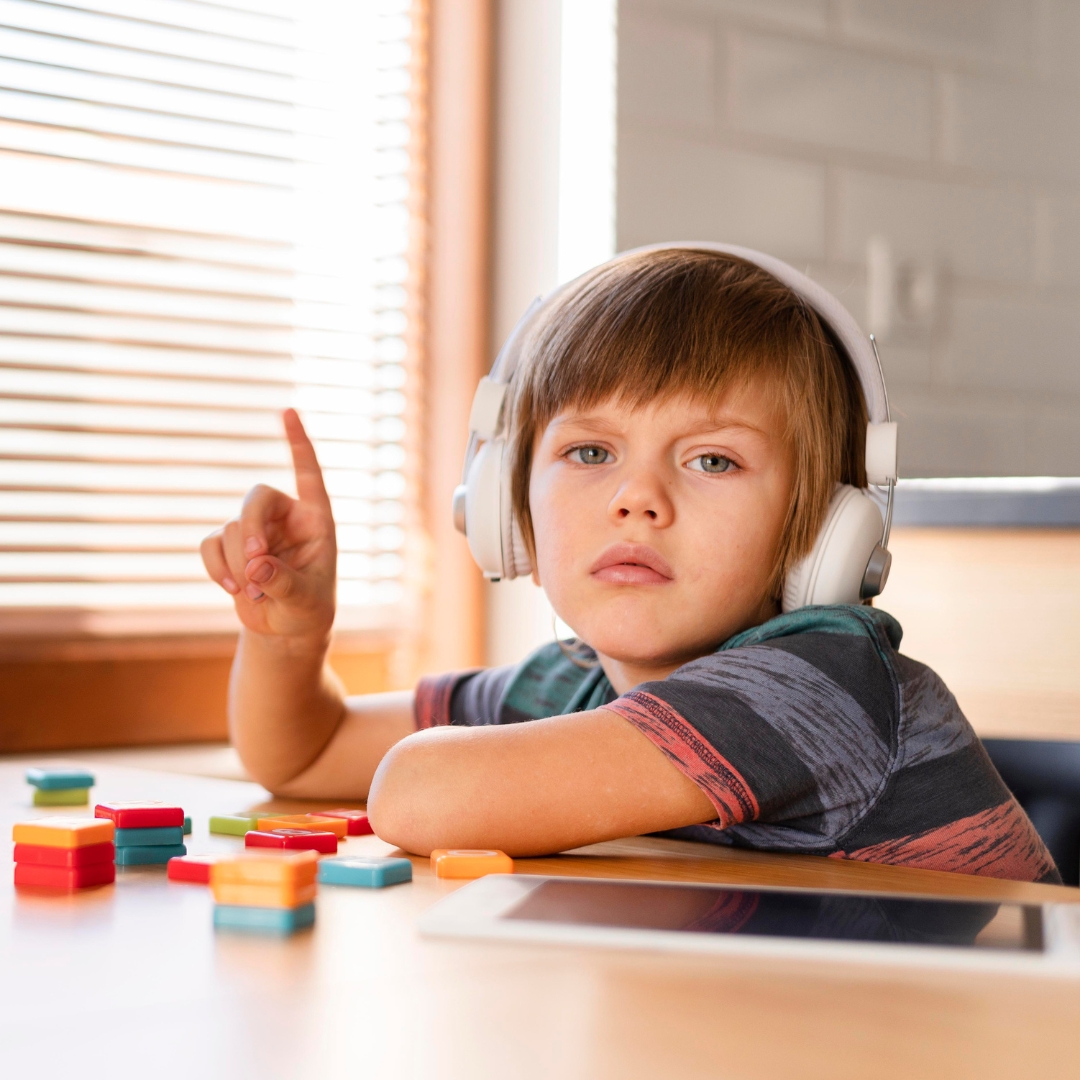
Social skills are the unwritten rules and abilities we use to interact with others. They encompass everything from making eye contact and understanding body language to engaging in conversations and problem-solving in social settings. For children on the autism spectrum, these skills may not develop intuitively. This isn’t due to a lack of desire to connect, but rather differences in how their brains process social information.
Challenges often include:
- Difficulty interpreting facial expressions and tone of voice.
- Struggling with reciprocal conversation (taking turns talking).
- Understanding personal space.
- Initiating and maintaining friendships.
- Coping with changes in routine or unexpected social events.
The good news is that social skills can be taught, practiced, and developed, leading to significant improvements in a child’s social competence and overall well-being.
Key Areas of Social Skill Training
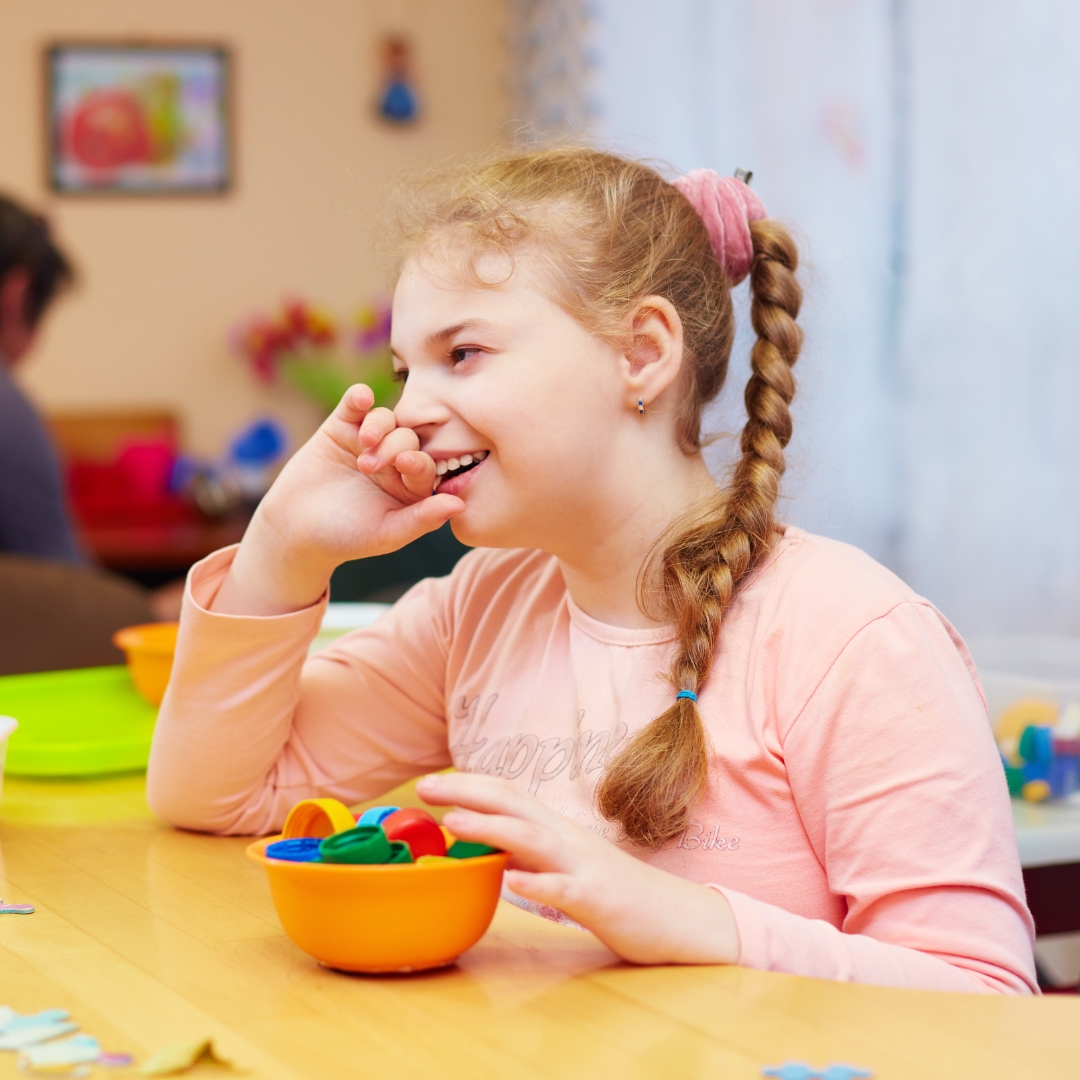
Effective social skill training for children with autism often focuses on several core areas:
1. Non-Verbal Communication
Many social cues are non-verbal. Training in this area might include:
- Eye Contact: Practicing comfortable and appropriate eye contact.
- Facial Expressions: Learning to identify and understand different emotions expressed through faces.
- Body Language: Understanding what different postures and gestures communicate.
- Personal Space: Recognizing and respecting boundaries.
2. Conversational Skills
Engaging in successful conversations is a cornerstone of social interaction. Training can cover:
- Initiating Conversations: Learning how to start a chat politely.
- Maintaining Conversations: Practicing asking questions, making comments, and staying on topic.
- Taking Turns: Understanding the give-and-take of dialogue.
- Ending Conversations: Knowing how to politely disengage.
3. Emotional Regulation and Empathy
Understanding one’s own emotions and those of others is crucial:
- Identifying Emotions: Helping children recognize and label their feelings and the feelings of others.
- Coping Strategies: Teaching healthy ways to manage strong emotions like frustration or anxiety.
- Perspective-Taking: Encouraging children to think about situations from another person’s point of view.
4. Play and Friendship Skills
For younger children, play is the primary social arena. For older children, friendship skills become vital:
- Sharing and Turn-Taking: Essential for cooperative play.
- Problem-Solving in Play: Navigating conflicts and disagreements during games.
- Joining Groups: Learning how to approach and join an ongoing activity.
- Building and Maintaining Friendships: Understanding what it takes to be a good friend.
Strategies and Approaches to Social Skill Training
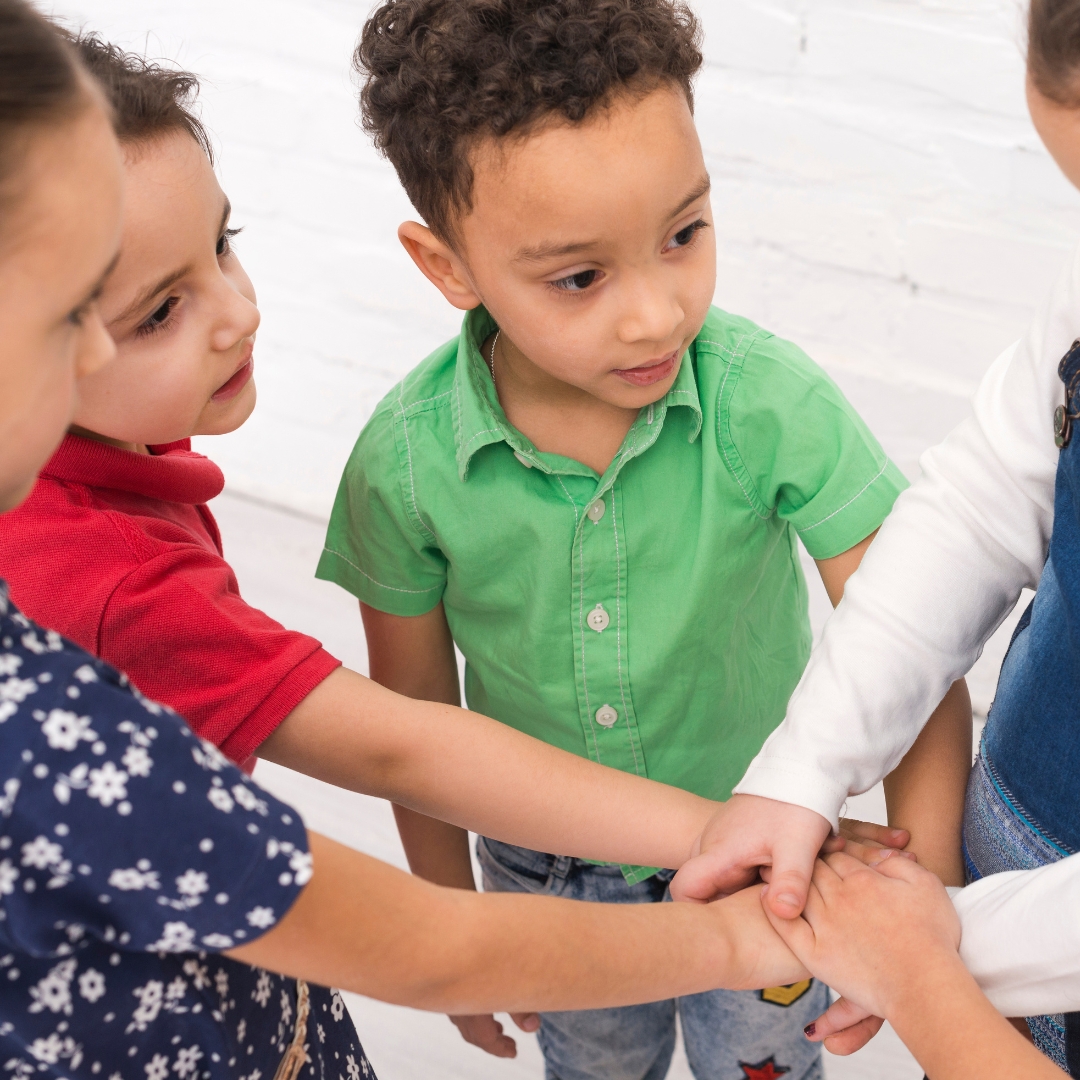
At Children’s Milestone, we utilize evidence-based strategies to support children with autism in developing their social skills. These may include:
- Applied Behavior Analysis (ABA): ABA can be highly effective in breaking down complex social skills into smaller, teachable steps, providing clear instructions, and offering positive reinforcement.
- Social Stories™: These are short, personalized stories that describe social situations, explain appropriate responses, and highlight social cues in a clear and understandable way.
- Role-Playing: Practicing social scenarios in a safe, controlled environment allows children to try out new skills and receive feedback.
- Video Modeling: Watching videos of appropriate social interactions can provide a visual guide for children to learn from.
- Social Groups: Structured social groups led by experienced professionals provide opportunities for children to practice skills with peers in a supportive setting.
How Children’s Milestone Can Help
At Children’s Milestone, we understand that every child with autism is unique. Our team of dedicated therapists works closely with families to develop individualized social skill training programs tailored to your child’s specific needs and strengths. We believe in creating a supportive and engaging environment where children can learn, grow, and thrive socially.
If you’re seeking to empower your child with the essential social skills needed to navigate their world, we invite you to learn more about our programs and how we can support your family.