
The question of autism’s genetic basis has been extensively studied and debated. At Children’s Milestone, gaining insight into the genetic factors associated with autism enables us to offer more effective, personalized support for autistic individuals. Although the precise causes of autism remain unclear, evidence strongly indicates that genetics play a significant role in its development.
Genetic Factors in Autism
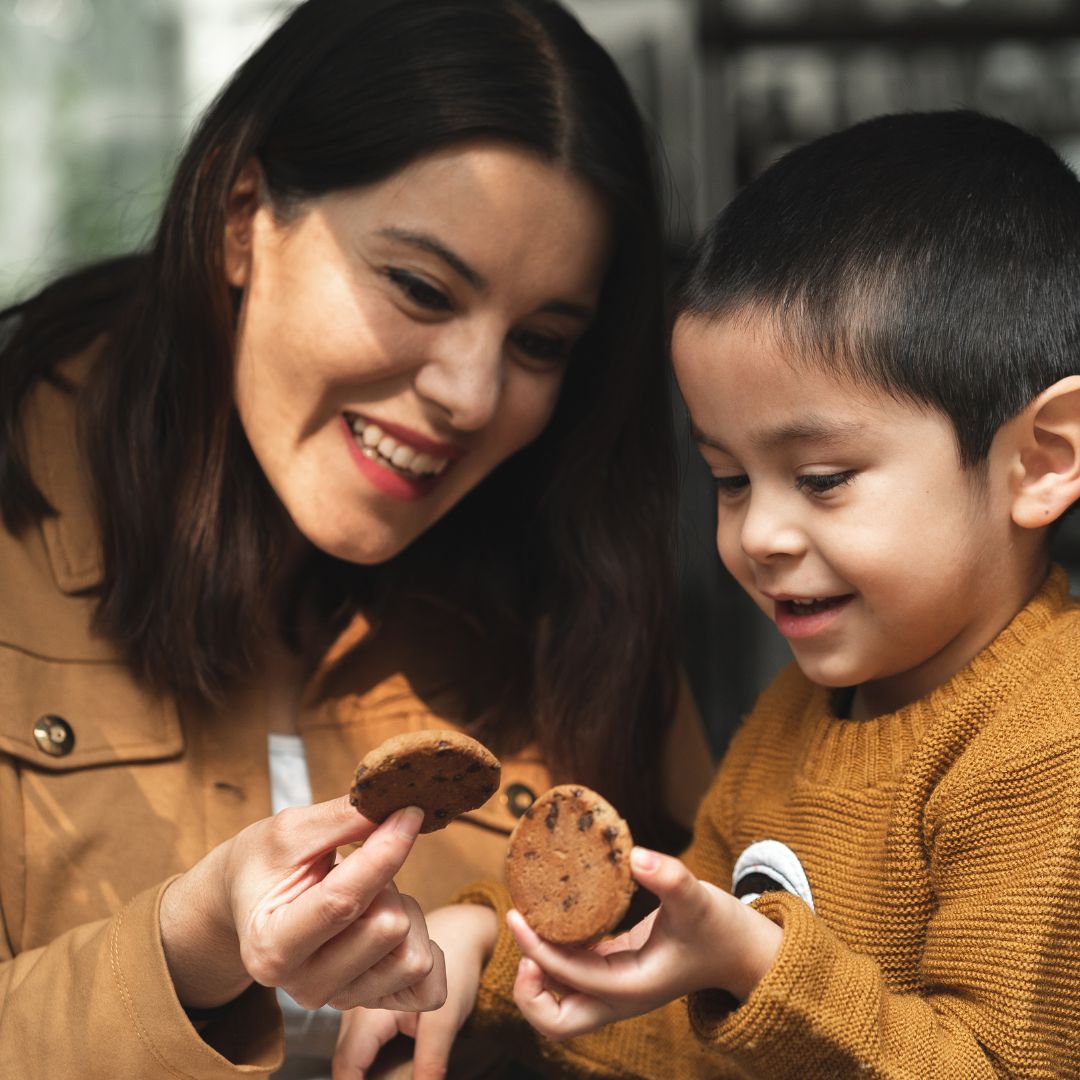
Studies have shown that genetics significantly contribute to the likelihood of developing autism. Research indicates that children with a family history of autism or related disorders are at a higher risk of being on the spectrum. While specific genes have been identified that may influence autism risk, it’s important to note that autism is a complex condition with multiple contributing genetic and environmental factors. This means that while genetics can increase the likelihood, they are not the sole cause.
Asperger’s Syndrome and Genetic Connections
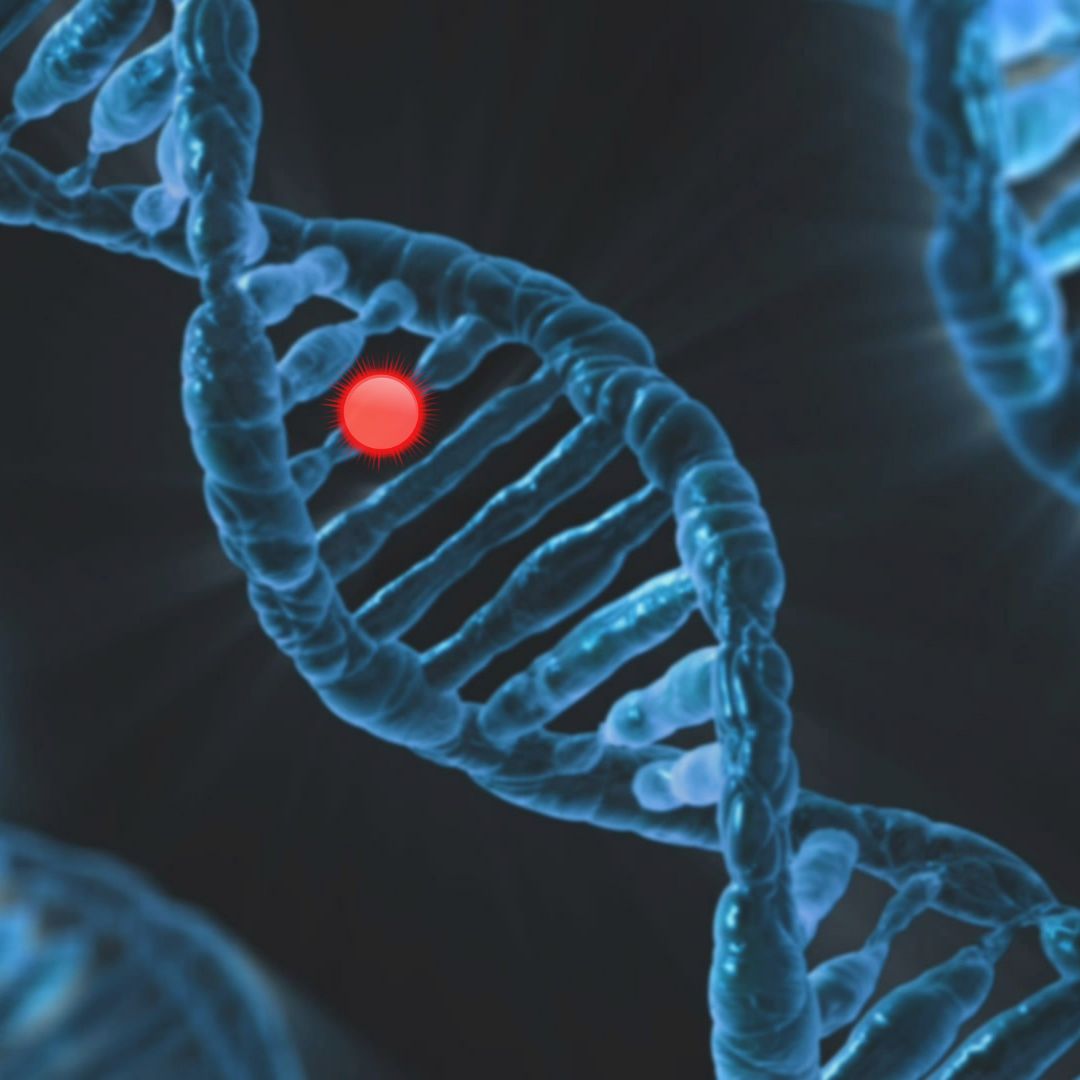
Asperger’s syndrome, previously considered a separate diagnosis from autism, is now understood to be part of the autism spectrum. Genetic factors that influence autism spectrum disorder, including Asperger’s, have been the subject of research, suggesting that individuals with Asperger’s share some of the same genetic markers as those with other forms of autism. This understanding helps in tailoring support and interventions to meet the specific needs of individuals across the spectrum.

Variability in Genetic Influence
It’s important to recognize that autism manifests differently in each individual. This variability underscores the complexity of autism and the need for personalized approaches in diagnosis and therapy. While genetics plays a role, the interaction between genes and environmental influences shapes each individual’s experience.

The Role of Genetics in Autism
Understanding the genetic aspects of autism helps inform better practices and therapies. At Children’s Milestone, we use this knowledge to provide effective, individualized care for autistic children and adults. Whether you are seeking support for autism in toddlers or need guidance on managing autism, we are here to help.
Contact us today to learn more about how our evidence-based approaches can support your family.