
The Picture Exchange Communication System, or PECS, is a form of autism therapy that has been found to be very effective. It was developed in the early 1980s by Andrew Bond and Lori Frost. PECS helps children with autism learn how to communicate by giving them pictures to exchange for what they want. In today's blog from Children's Milestone, we'll take a closer look at how the Picture Exchange Communication System works and its benefits when it comes to helping your child communicate. Keep reading to learn more, and reach out to us at Children's Milestone in Laurel to learn more about enrolling your child in ABA therapy today.
PECS Phase I: How to Communicate
During Phase I of the Picture Exchange Communication System (PECS), your child with autism will learn how to exchange single pictures for items or activities they really want. This is the first step in teaching them how to communicate more effectively.
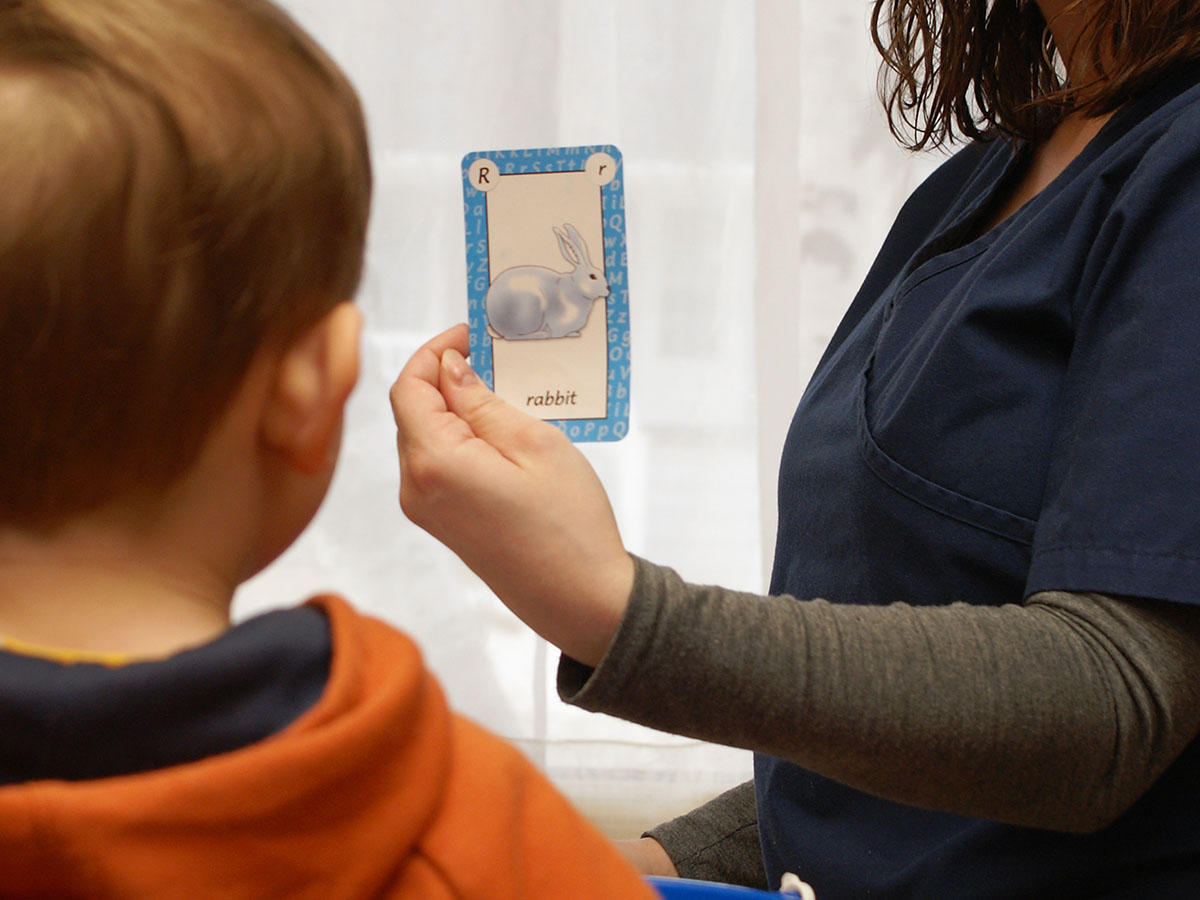

PECS Phase II: Distance & Persistence
Phase II of the PECS still uses single pictures, but your child will learn to generalize their new skill by using it in different places, with different people, and across long distances. This phase also teaches your child to be more persistent with their communication in order to effectively communicate their needs and wants.
PECS Phase III: Picture Discrimination
In the third phase, your child learns to select from two or more pictures in order to ask for their favorite things. In most cases, pictures are stored in a communication book (like a 3-ring binder) with velcro strips to store, attach, and detach pictures as needed during communication practices.


PECS Phase IV: Sentence Structure
Phase IV is an exciting step because your child with autism will learn how to construct simple sentences using the pictures they've become familiar with up until this point. They will use a detachable sentence strip using an "I want" picture followed by the picture of the item they are requesting.
PECS Phase V: Answering Questions
During this phase, your child with autism will learn how to answer a question like, "What do you want?" using everything they've learned so far with the Picture Exchange Communication System. This usually starts with a picture answer and eventually moves on to using words as well.


PECS Phase VI: Commenting
The final stage of the PECS helps your child with autism learn to comment in response to questions like, "what do you see?" or, "what do you hear?" or, "what is it?" They will learn to answer these questions with sentences beginning with "I see," or, "I hear" or, "I feel" etc.
The Many Benefits of the Picture Exchange Communication System
The Picture Exchange Communication System is a very effective autism therapy that can provide many benefits for your child. Some of these benefits include:
- Improved communication skills
- More independence and self-confidence
- Easier transitions between activities and environments
- Enhanced social interactions with others
- Greater understanding of the world around them
PECS can greatly reduce the amount of stress your child with autism may feel when they have trouble expressing their needs and wants. This system can teach your child not only how to interact with others, but also how to understand the cause and effect of communication. It also encourages your child to communicate more often and more effectively.

If you're interested in enrolling your child in the PECS program, or any other autism therapy program at Children's Milestone, please don't hesitate to contact us today. We would be happy to answer any questions you have and help you get started on the path to helping your child communicate more effectively.