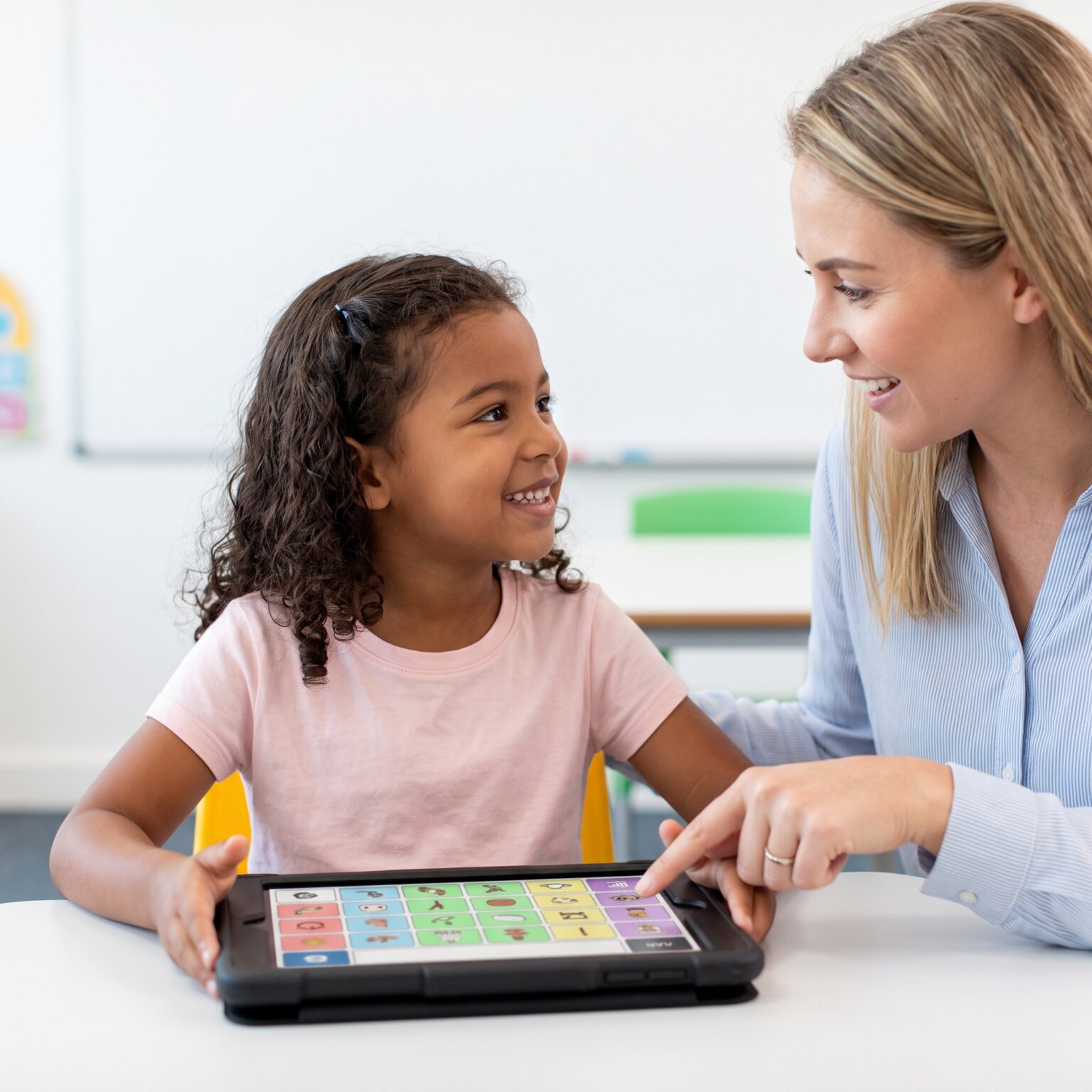
Helping a non-verbal child find their voice is one of the most transformative journeys a family can experience. When a child struggles to speak, communication goes far beyond spoken words. By focusing on functional expression, tailored therapeutic strategies empower autistic kids to express their wants, needs, and feelings effectively. Through compassionate intervention and specialized tools, we create supportive pathways that foster meaningful connections and everyday independence for your child.
Building Functional Communication Through AAC Devices
Augmentative and Alternative Communication (AAC) systems offer dynamic non-verbal solutions for expression. Speech intervention introduces picture exchange boards, speech-generating applications, or digital tablets tailored to your child’s capabilities. These tools translate a child’s thoughts into clear messages, reducing daily frustration and empowering autistic kids to actively share their wants, choices, and ideas with confidence.
Developing Non-Verbal Gestures and Joint Attention
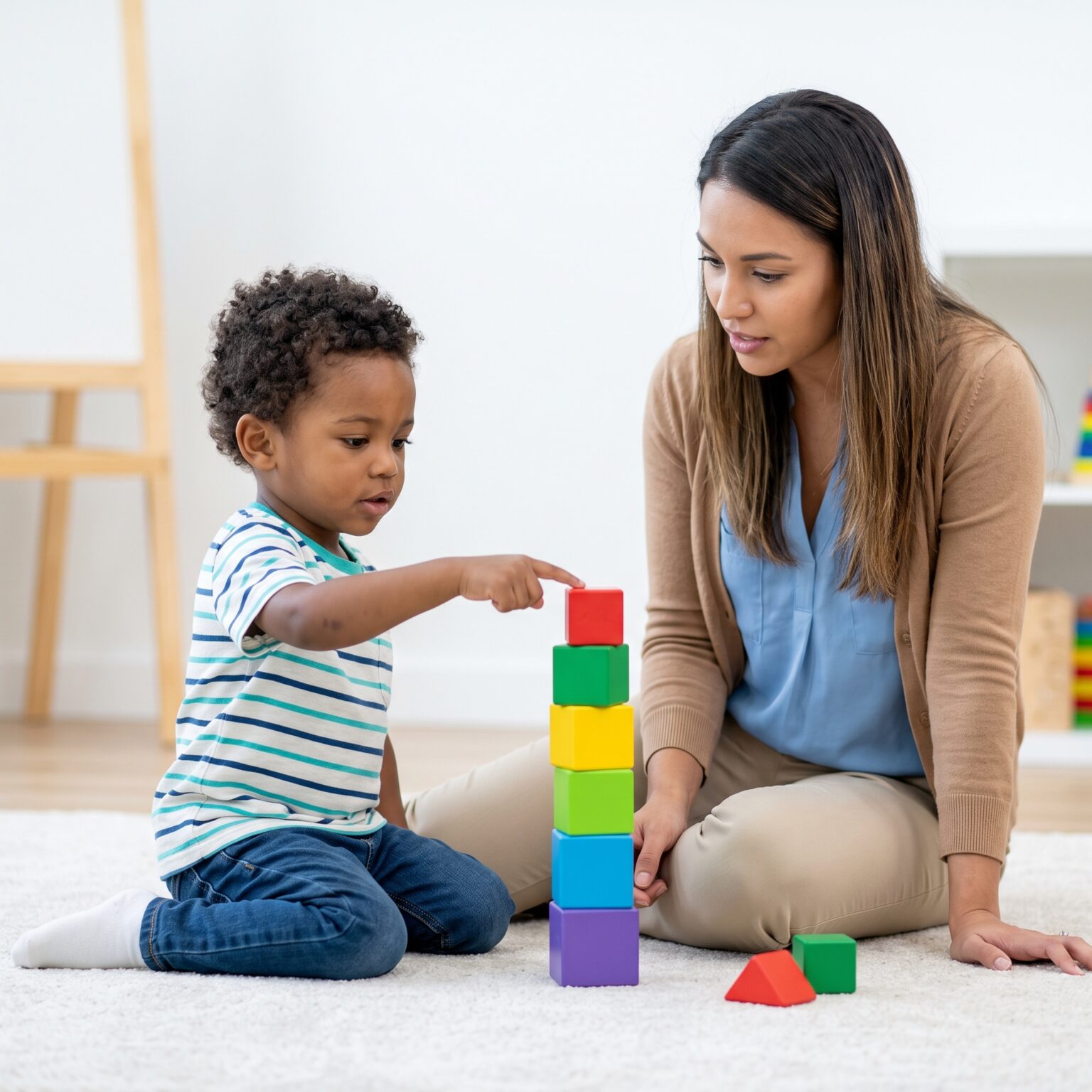
Before spoken language emerges, foundational social skills like eye contact, pointing, and gesturing must be cultivated carefully. Therapists utilize interactive play to establish shared focus, helping children connect actions with outcomes. Mastering simple gestures like nodding or reaching allows non-verbal children to interact intentionally with family members and peers across various everyday settings.

Integrating Applied Behavior Analysis for Consistent Progress
Combining speech techniques with applied behavior analysis creates a structured, highly supportive framework for learning. Applied behavior analysis breaks down complex communication goals into small, achievable steps while utilizing positive reinforcement. This collaborative approach keeps children motivated, ensuring that communication skills learned during therapy sessions are successfully generalized to home, school, and community environments.
Empowering Families Through Active Caregiver Training
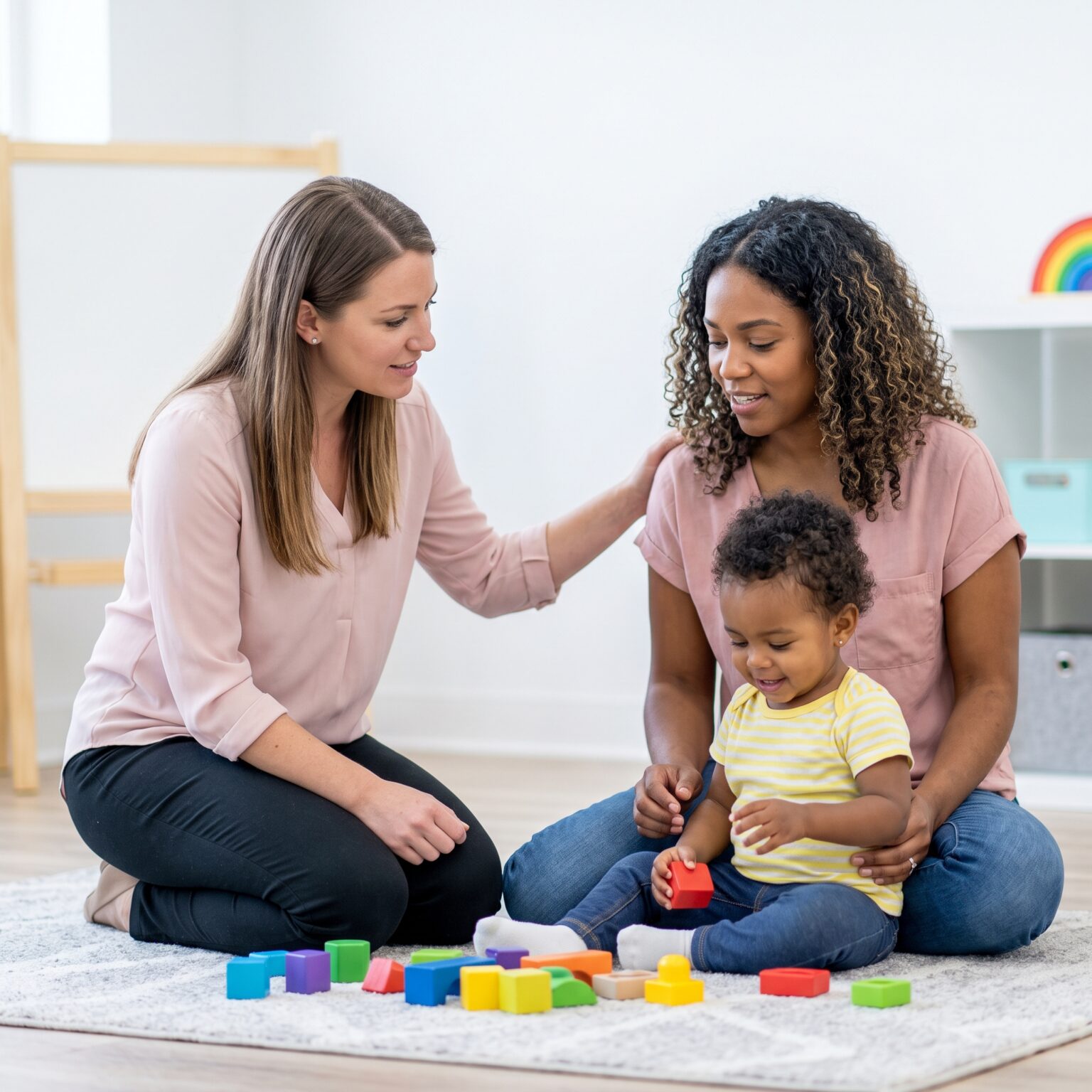
Therapy is most effective when strategies extend seamlessly into your family’s daily routines. Speech intervention includes hands-on coaching for parents, teaching you how to prompt, model, and reinforce non-verbal communication during meals, play, and bedtime. This continuous family involvement transforms everyday interactions into valuable opportunities for growth, connection, and long-term skill development.
Supporting a non-verbal child’s communication journey requires patience, dedication, and the right therapeutic partner. By integrating specialized communication tools with behavioral strategies, raising autism awareness, and fostering supportive environments, we can help every child unlock their full potential. At Children’s Milestone, our comprehensive applied behavior analysis programs work hand-in-hand with functional communication strategies to help autistic kids express themselves clearly and gain independence. Contact Children’s Milestone today to learn more about how our personalized programs can support your family’s unique journey.