
When a child is diagnosed as non-speaking or minimally verbal, parents naturally worry about how their child will express their needs and navigate the world. Speech therapy for a non-speaking child is a transformative process, but it rarely starts with forcing spoken words. Instead, it begins with the fundamental goal of establishing connection. By focusing on functional communication, speech therapists give children a voice that doesn’t solely rely on vocal cords.
Establishing Fundamental Communication
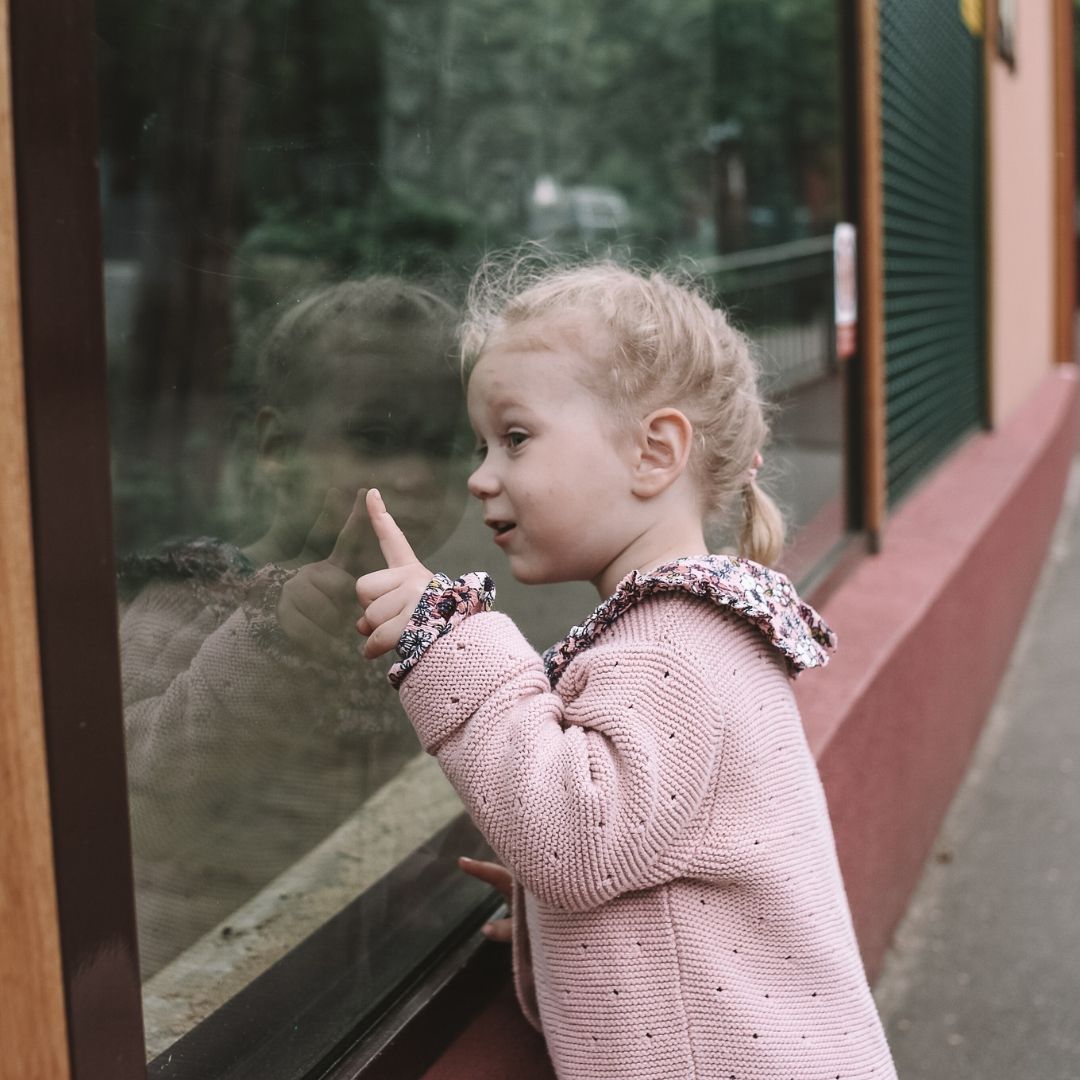
The first goal of therapy is teaching the child that communication has power. Before words are formed, a child must understand that an action (like pointing or exchanging a card) yields a desired result (like receiving a favorite toy). Therapists focus on intentional communication—helping the child bridge the gap between their internal desires and the outside world.
Utilizing AAC Devices and Visuals
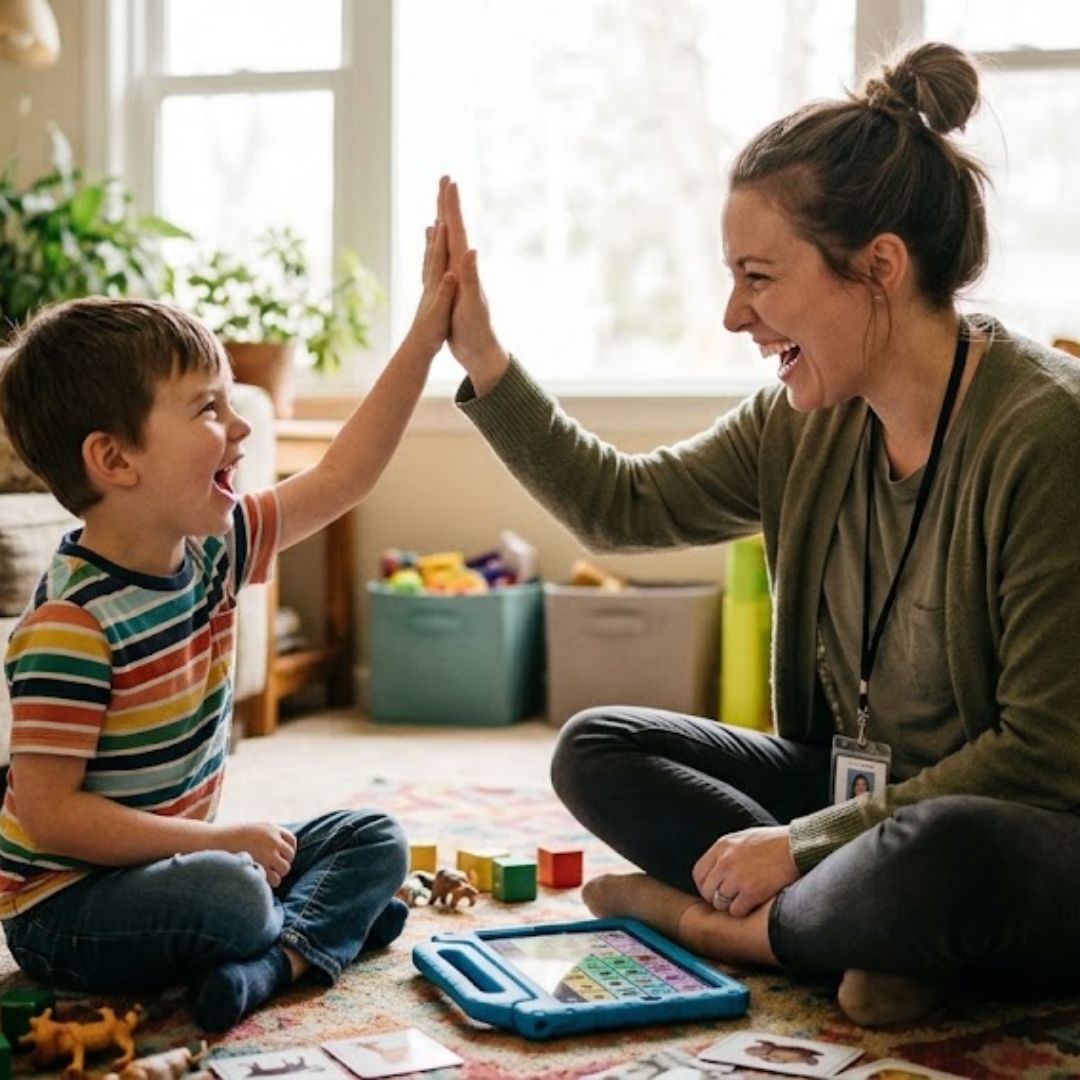
When spoken language is delayed, therapists frequently introduce Augmentative and Alternative Communication (AAC). This ranges from low-tech options, like picture boards, to high-tech tablets with specialized speech-generating apps. These tools provide an immediate outlet for expression, which significantly reduces anxiety and frustration.
The Role of Play and Interaction
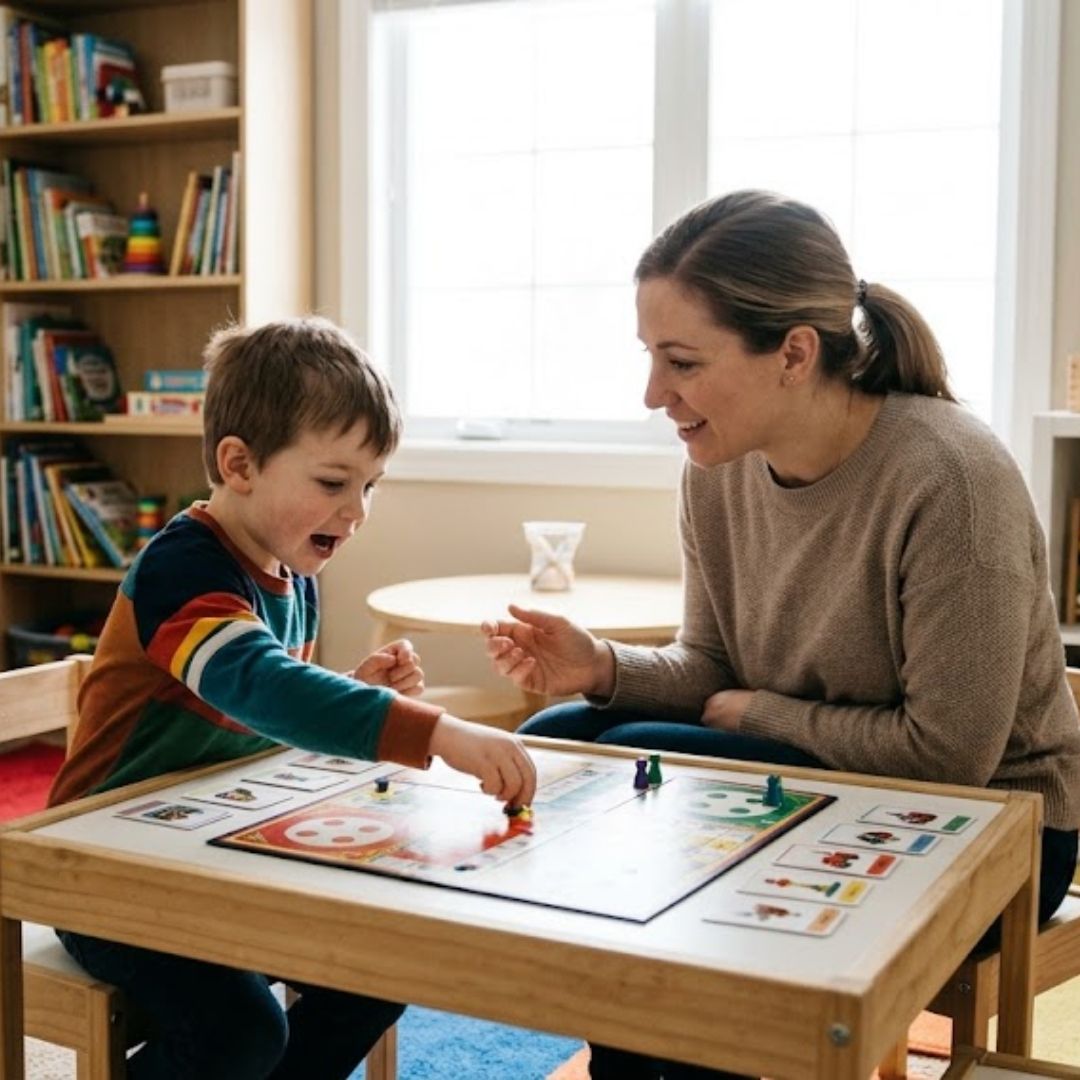
Play is the natural language of learning. Speech therapists utilize play-based interventions to make communication fun and intrinsically rewarding. By joining a child in their natural environment and engaging in activities they love, the therapist creates organic opportunities for the child to request items or take turns, laying the groundwork for language mechanics.
Integrating with ABA Therapy
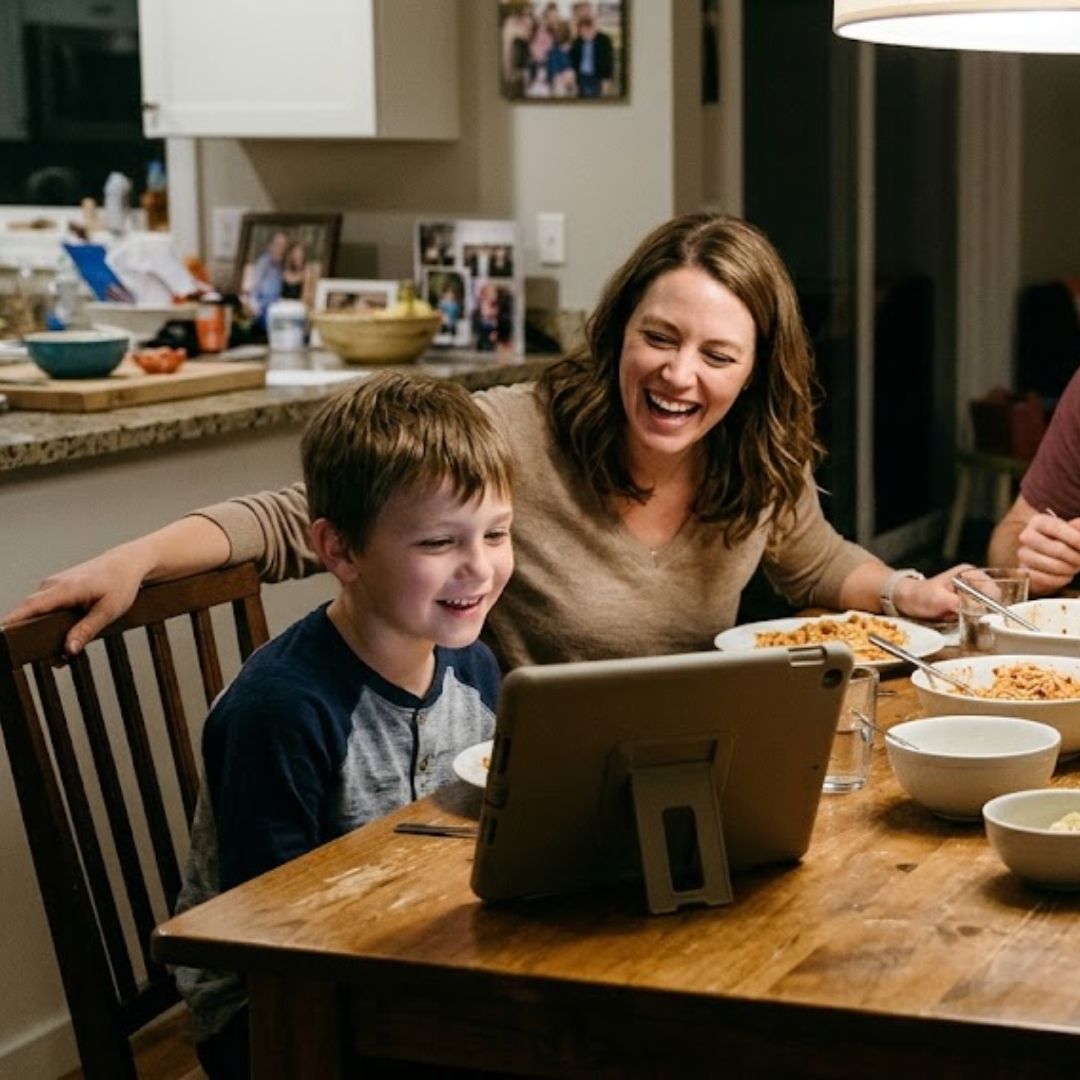
Speech therapy is most effective when reinforced throughout the child’s day. When paired with in-home Applied Behavior Analysis (ABA) therapy, the communication strategies learned in speech sessions are practiced continuously. ABA therapists can prompt and reinforce the use of AAC devices during daily routines, ensuring the child communicates confidently in all settings.
Unlocking your child’s ability to communicate is our highest priority. At Children’s Milestone, our comprehensive in-home ABA therapy programs integrate seamlessly with your child’s communication goals. Operating across 3 states and 11 locations, we bring evidence-based support directly to your living room. Reach out today to start building a collaborative care plan.