
A difficult aspect of autism is that it can contribute to issues with sleep. A lack of sleep can go on to amplify other behaviors and emotions because no one is at their best when they’re exhausted from laying awake all night. Learn more about the connection between autism and sleep issues below. View more about the children’s autism approach that we take at Children’s Milestone in Maryland and contact us now!
Why Sleep Issues Arise
Sleep issues are common in autistic children for a variety of reasons that are related to the symptoms of autism itself. Some children are prone to habitual behaviors and patterns of repetition that are often at odds with being able to lay down and fall asleep at regular increments. Sensory problems and anxiety can also be common roadblocks to a peaceful night of sleep. These can lead to tantrums, anger, and restlessness that make it difficult to calm down to rest.

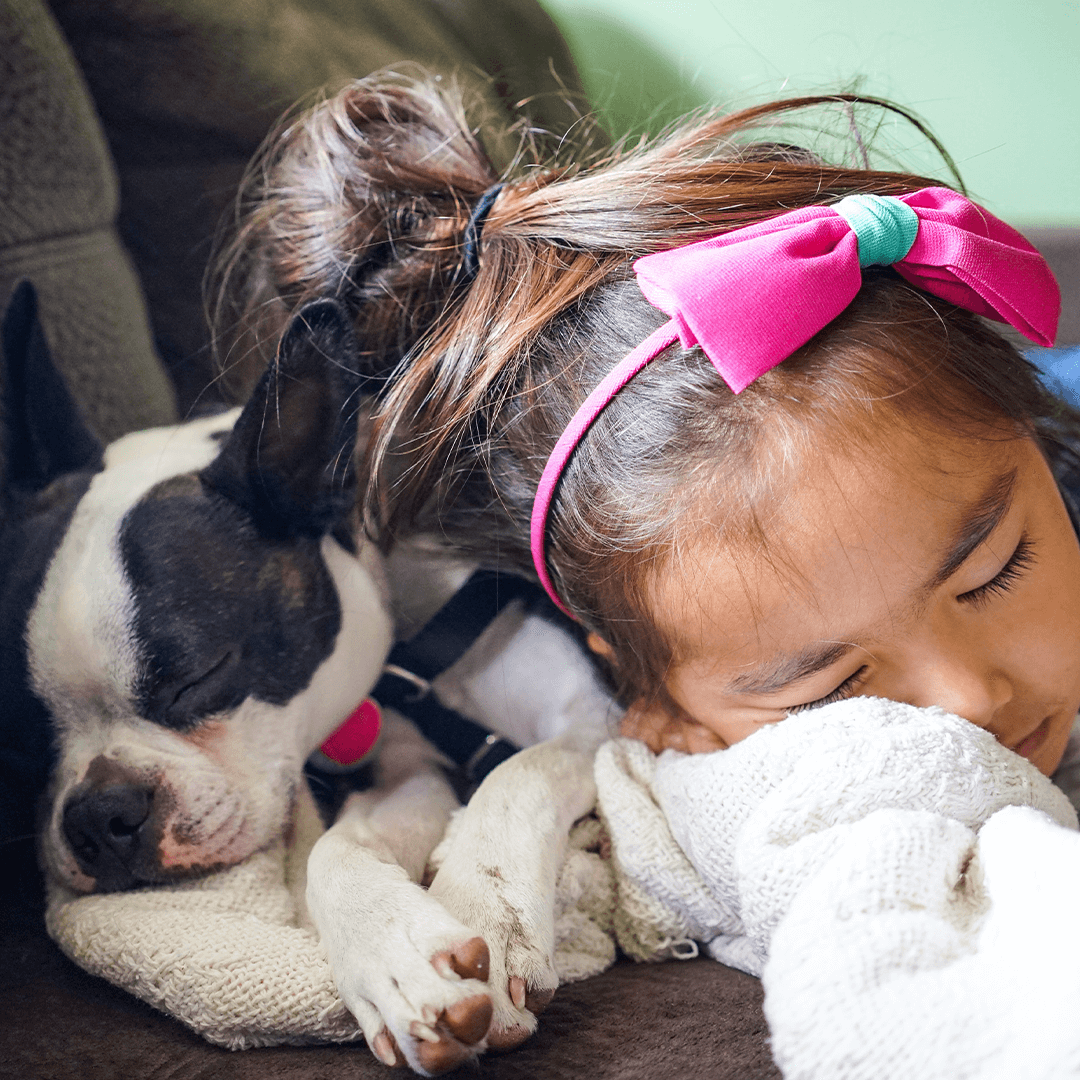
Interrupted Sleep Patterns
The very act of falling asleep in the first place can be incredibly difficult, especially if the child doesn’t want to do so, or if they simply are unable to find themselves at ease enough to lay down and close their eyes. Once they get to sleep, the issues aren’t necessarily over. Many children with autism then have issues staying asleep, getting back to sleep, or waking up too early.
What Are Some Agitators?
One frequent commonality in autism related to sleep patterns in children is overstimulation prior to bedtime. Too much screen time prior to bed, whether it is video games, television, or computer play, can be a contributing factor to said overstimulation. This can make it difficult to calm their mind when the time comes for rest. Too much play or excitement before bedtime can have the same effect which exacerbates the problem.
How to Help
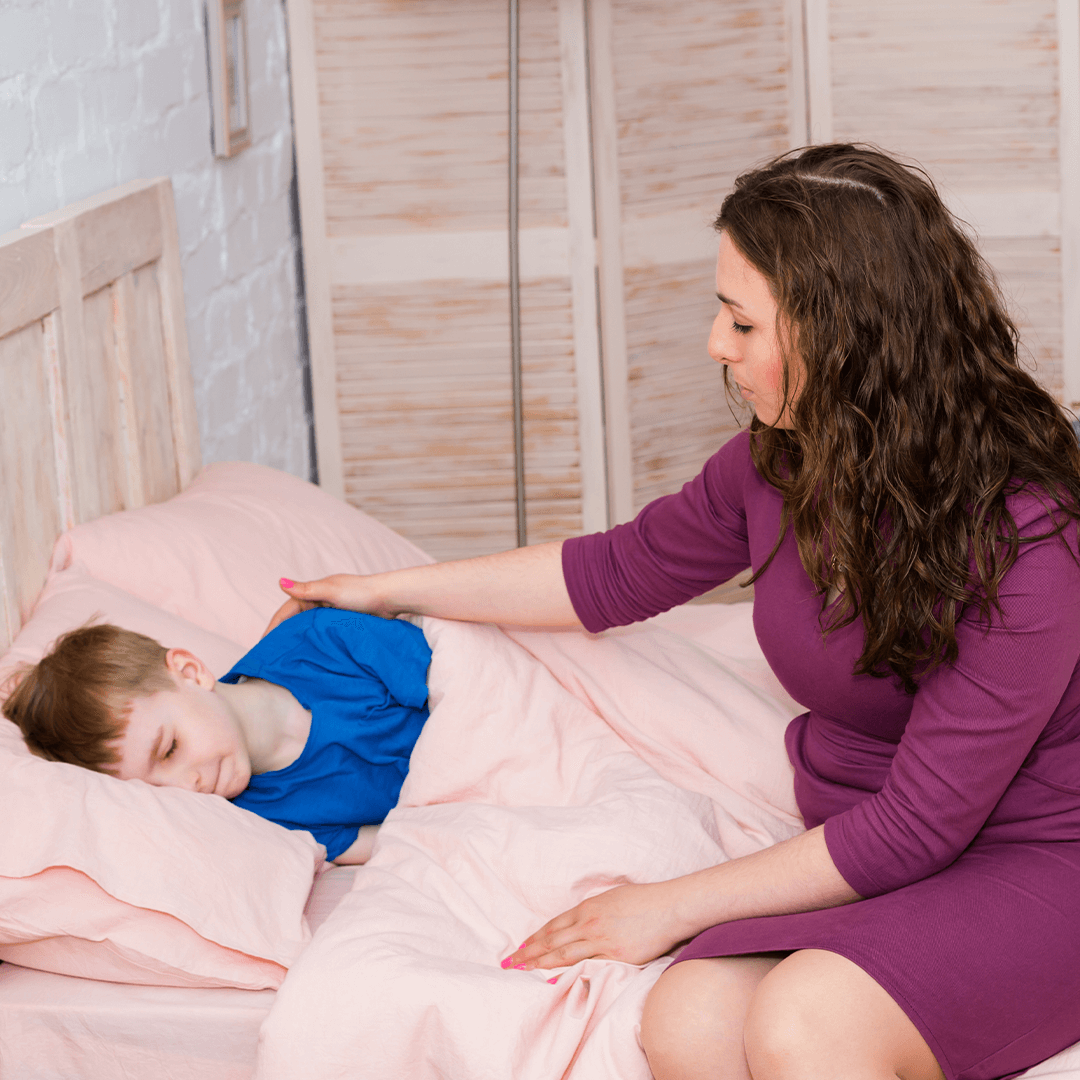
While there is no perfect method to help your child fall and stay asleep, limiting stimulation as the time for sleep approaches can allow the child time to come down from that feeling and enter bed in a calmer state. Additionally, forming consistent sleep hygiene patterns each night is a good form of repetition that the child can anticipate and expect, making it easier to go to bed when it is time.
Hopefully, by better understanding the connection between autism and sleep patterns, we can focus efforts on effective solutions.
Contact us now to see what we can do to help your autistic child through programs like our ABA Therapy Program. Don’t hesitate — let us help today!