
Autism is a complex neurodevelopmental condition that affects how individuals perceive and interact with the world around them. While the exact causes of autism are still being studied, research suggests that a variety of genetic and environmental factors play a role in its development. Understanding these origins is essential for promoting autism awareness and fostering support for Autistic individuals and their families.
Genetic Factors
Research has shown that genetics can significantly influence the likelihood of an individual being on the spectrum. Studies indicate that autism tends to run in families, with certain genetic mutations linked to an increased risk of developing the condition (Sandin et al., 2014). This highlights the importance of understanding how autistic kids may share genetic traits that contribute to their experiences.

Environmental Influences
In addition to genetic factors, environmental influences may contribute to the onset of autism. Exposure to certain chemicals during pregnancy, maternal infections, and complications during birth have all been studied for potential links to autism development (Modabbernia et al., 2017). Continued research into these environmental factors is imperative for improving autism awareness.
Early Signs of Autism
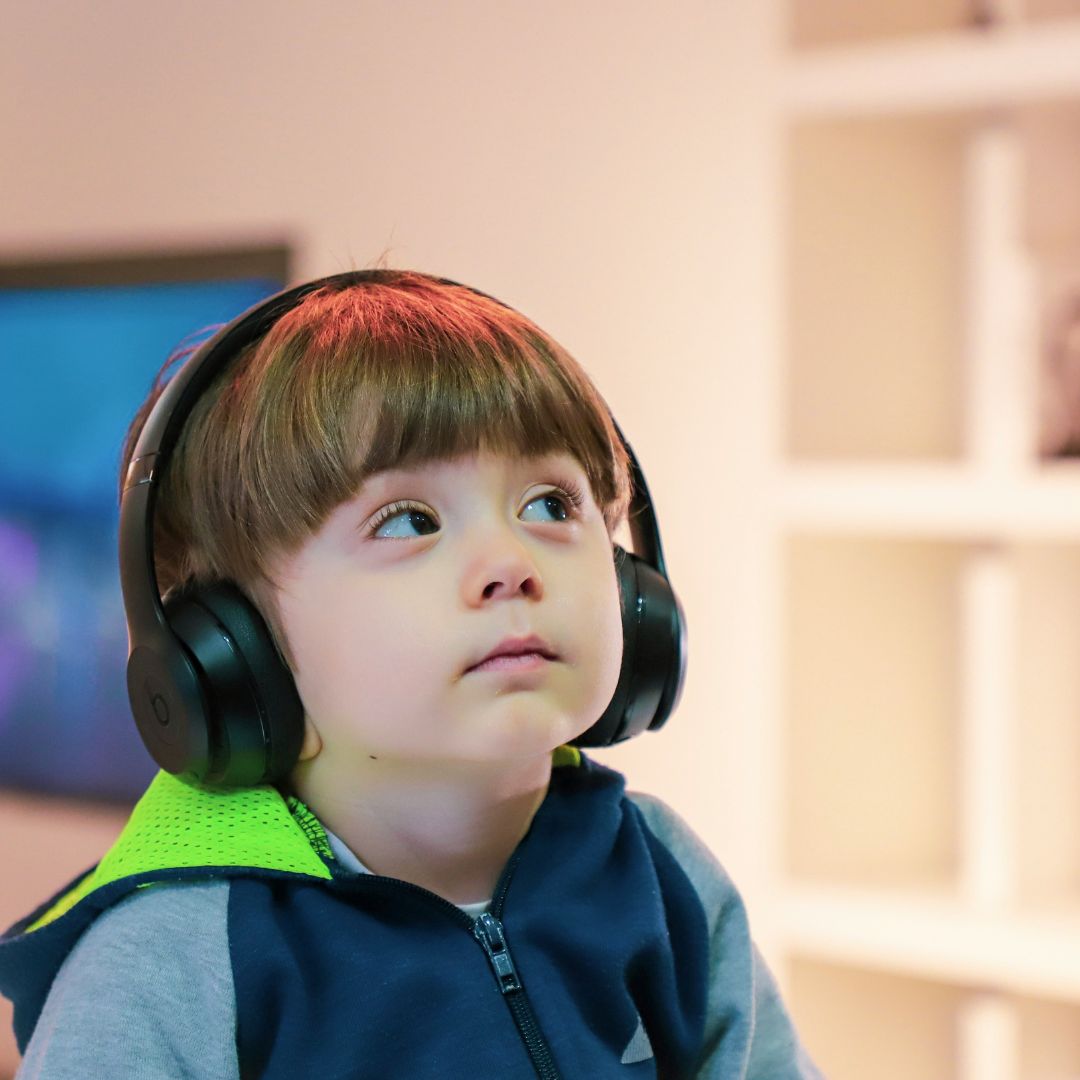
Identifying early signs of autism can lead to timely interventions, which are critical for supporting development. Signs of autism in babies and toddlers may include delayed speech, difficulty making eye contact, and lack of interest in social interactions (Gibson et al., 2019). Addressing these signs early through resources like ABA therapy can make a lasting impact on an autistic child’s development.
A Multifaceted Understanding
While the origins of autism are not fully understood, recognizing the interplay between genetic and environmental factors is crucial. By promoting autism awareness and understanding, we can create more inclusive and supportive environments for Autistic individuals. If you suspect signs of autism in your child, consulting with an autism therapist can provide valuable guidance.
Call: (855) 853-0228References:
– Sandin, S., et al. (2014). “The familial risk of autism.” *Journal of the American Medical Association Psychiatry*.
– Modabbernia, A., et al. (2017). “Environmental risk factors for autism: A review.” *Clinical Psychopharmacology and Neuroscience*.
– Gibson, J. M., et al. (2019). “Identifying early signs of autism in babies.” *Journal of Applied Behavior Analysis*.