
Understanding how to interact with and support Autistic individuals is essential for fostering inclusion and acceptance. Each person on the autism spectrum has unique strengths and challenges, making it vital to approach them with empathy and respect.

Embrace Individuality
Every Autistic individual experiences the world differently. Familiarize yourself with their specific signs of autism and preferences. Take the time to learn about their interests, likes, and dislikes, as understanding these elements can enhance communication and connection (Gernsbacher, M. A., 2009).

Practice Clear Communication
Effective communication is key in fostering rapport. Use clear and concise language when engaging with Autistic individuals. Avoid using idioms or metaphors that might confuse them, and be patient while they process information. Practicing this clear communication can significantly improve interaction (Schreibman, L., et al., 2015).

Promote Routine and Structure
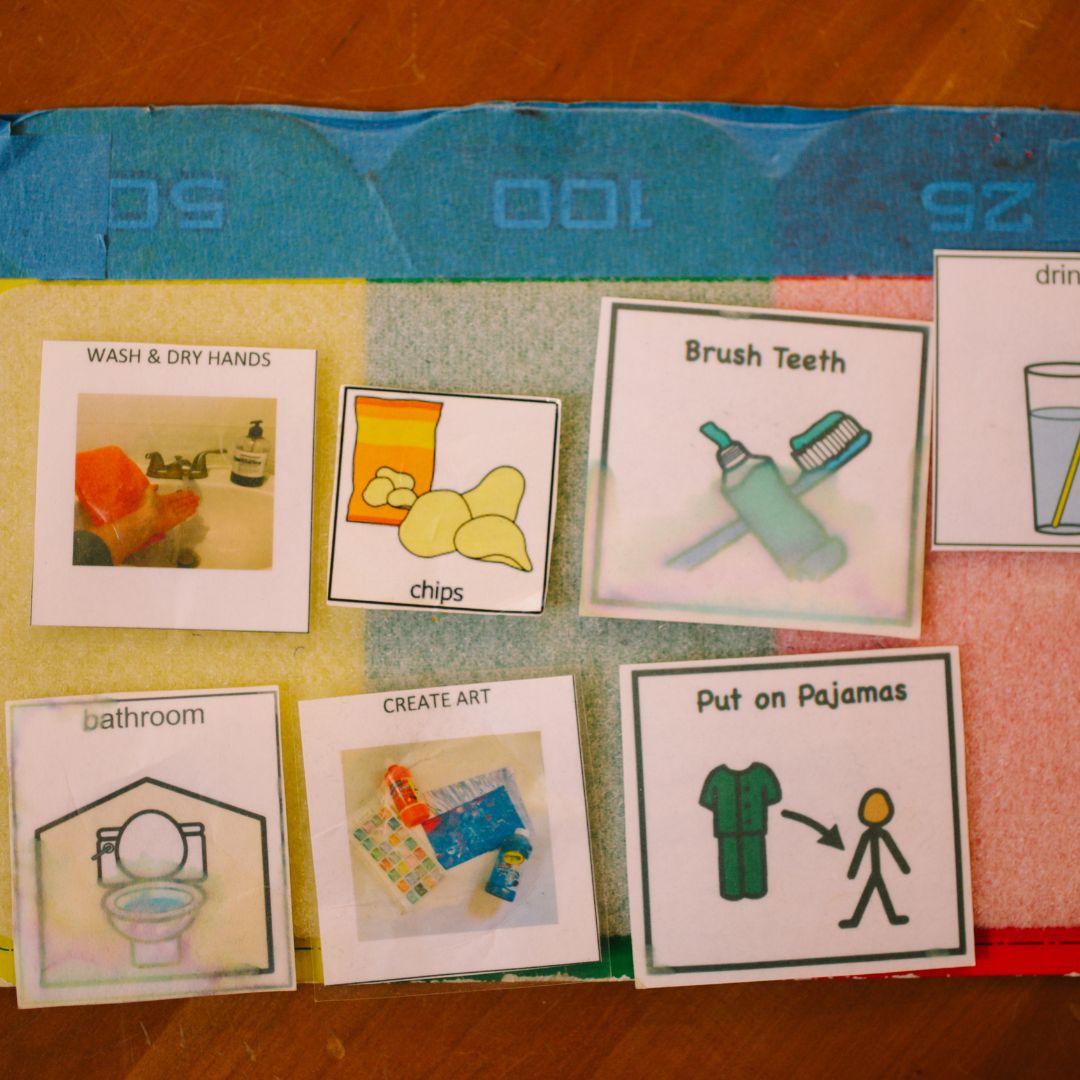
Many Autistic individuals thrive in structured environments. Providing predictability can help reduce anxiety and support better behavior. Whether it’s establishing a daily routine or setting clear expectations, consistency can create a sense of security (Baker-Ericzen, M. J., et al., 2007).
Encourage Participation in ABA Therapy
Engaging in Applied Behavior Analysis (ABA) therapy can empower Autistic individuals to develop essential skills. ABA therapy focuses on reinforcing positive behaviors and teaching new skills tailored to each individual’s unique needs. This evidence-based approach has shown effectiveness in various settings (Reichow, D., 2012).
Enhance Understanding
Treating someone with autism requires patience, empathy, and a willingness to adapt. By embracing individuality and engaging in tailored approaches, you can make a meaningful impact on the lives of Autistic individuals. Together, let’s promote awareness and understanding.
Call: (855) 853-0228References:
– American Psychiatric Association. (2013). Diagnostic and statistical manual of mental disorders (5th ed.). Arlington, VA: Author.
– Baker-Ericzen, M. J., et al. (2007). The relationship between social skills and severity of autism symptoms. *Journal of Autism and Developmental Disorders*.
– Reichow, D. (2012). Overview of the evidence base for early intervention for young children with Autism Spectrum Disorders. *Journal of Applied Behavior Analysis*.
– Schreibman, L., et al. (2015). Natural Language Acquisition and Use in Children with Autism Spectrum Disorders: A Review of the Literature. *Journal of Applied Behavior Analysis*.