
Securing an appointment for an autism evaluation is a major step forward, but the wait leading up to it can be nerve-wracking. Parents often wonder how they can ensure the specialist sees the “full picture” of their child during a brief clinic visit. Proper preparation is key. By gathering the right documents, notes, and items ahead of time, you provide the assessing clinician with the comprehensive context they need to make an accurate diagnosis.
Complete Medical and Developmental History
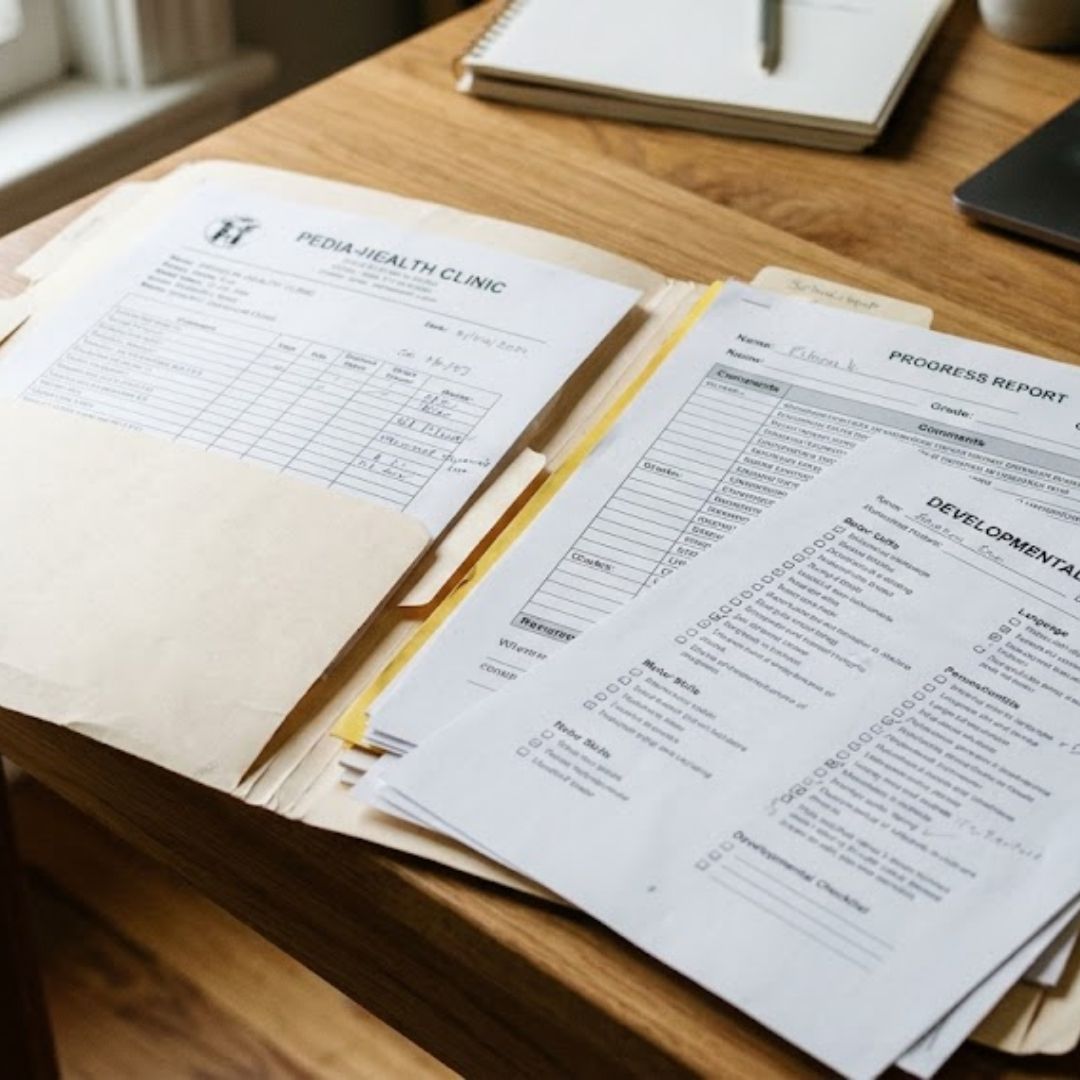
Your child’s pediatric records are the foundation of the evaluation. Bring records of their developmental milestones, hearing and vision test results, and any previous medical diagnoses. If you have kept a baby book or a timeline of your child’s early development, bring it along to help you answer questions about their early years accurately.
Behavioral Notes and Video Examples
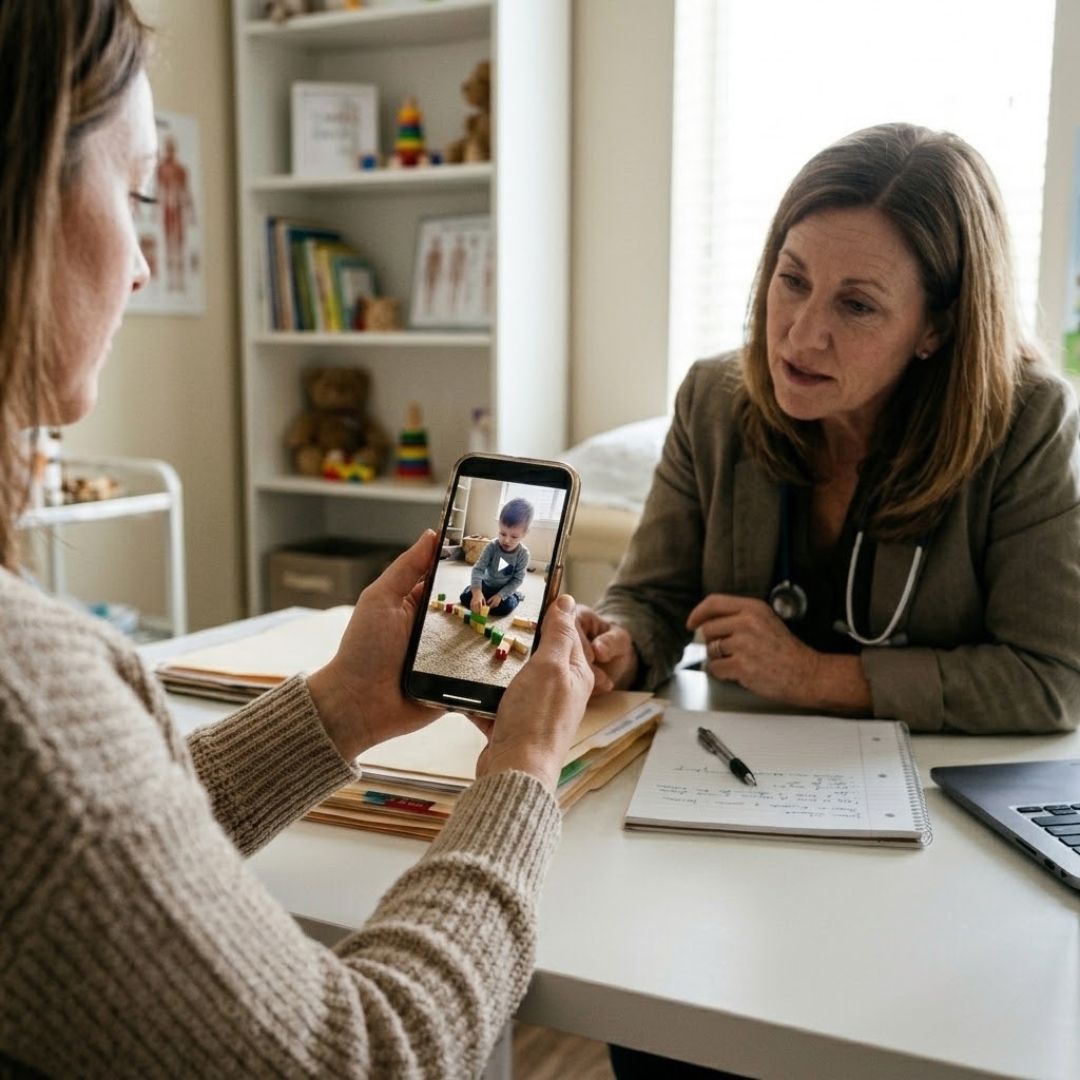
Children often behave differently in clinical settings than they do at home. To ensure the evaluator sees what you see, bring written notes detailing your specific concerns. Even better, bring short video clips on your phone of your child in their natural environment—capturing specific behaviors, meltdowns, or unique play patterns that prompted your evaluation request.
Educational Records and Teacher Feedback
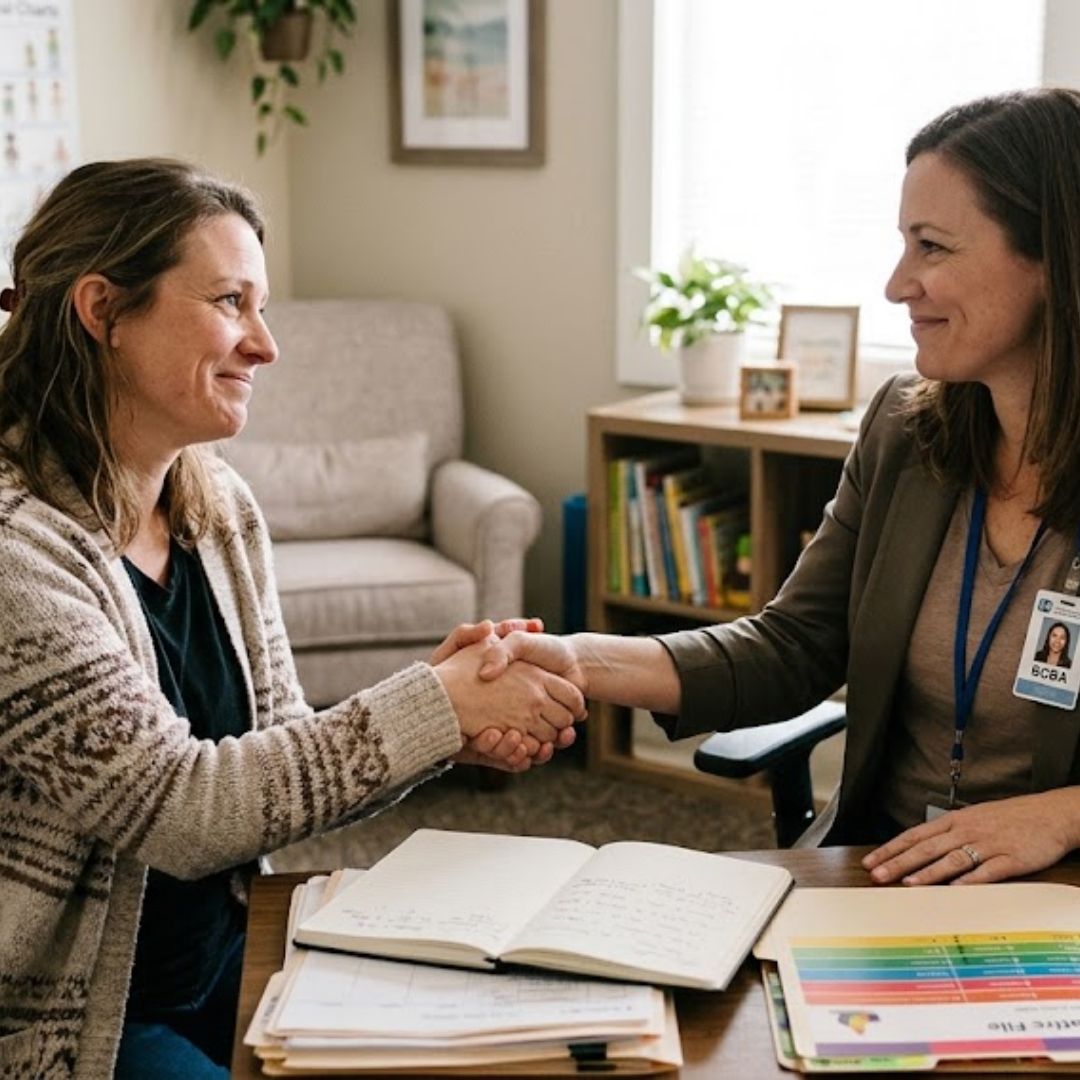
How your child functions in a group setting provides vital clues for an autism diagnosis. Request written feedback from your child’s daycare providers, preschool teachers, or school instructors. Bring copies of their report cards, Individualized Education Programs (IEPs) if applicable, and any behavioral incident reports. A teacher’s objective observations are incredibly valuable.
Comfort Items for Your Child
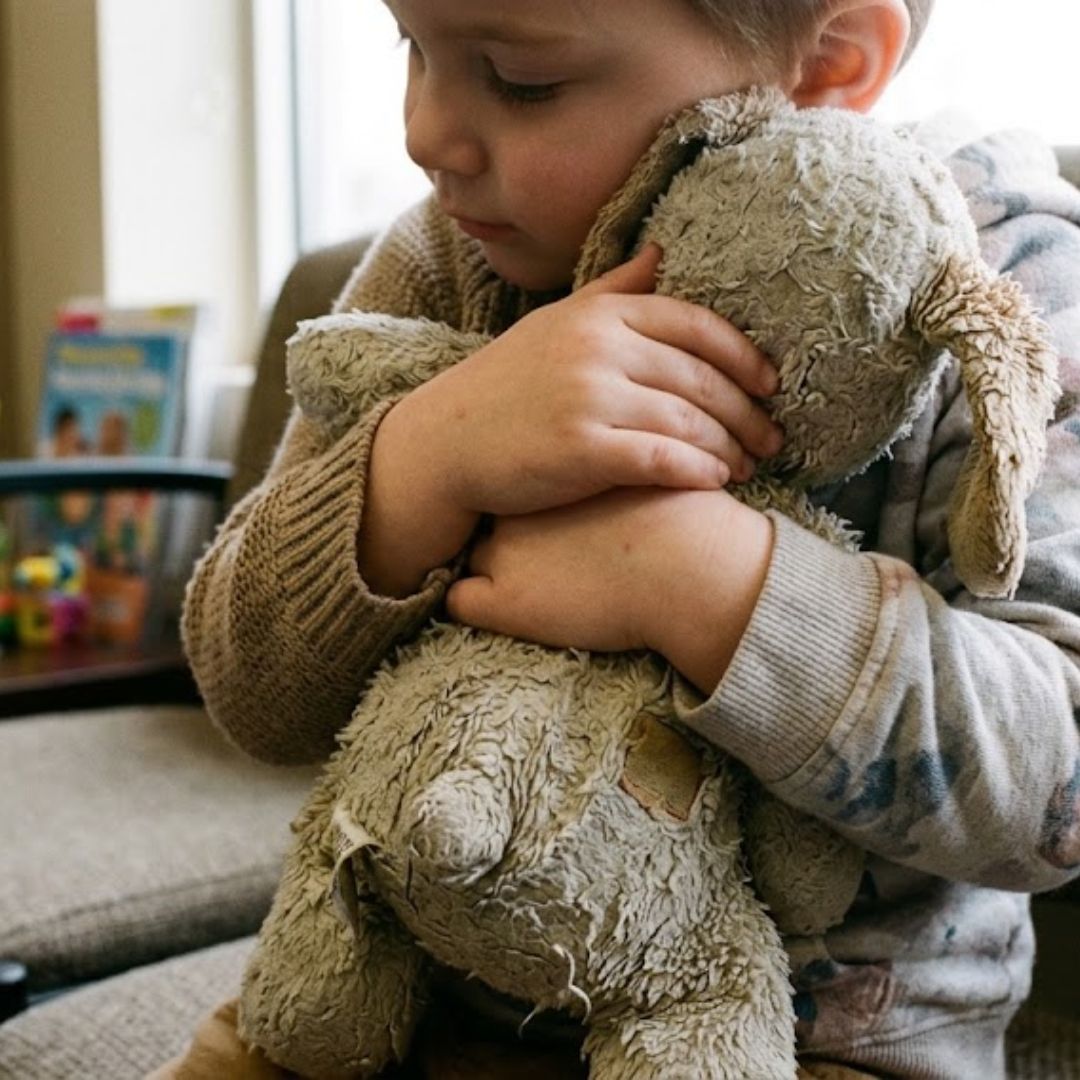
Evaluations can be lengthy and occasionally stressful for a child. Bring a bag packed with their favorite snacks, a preferred toy, or a comforting object like a blanket. Not only do these items help keep your child calm and regulated, but observing how your child interacts with their favorite items can also provide the clinician with real-time insight into their play skills.
Once you receive a diagnosis, you don’t have to navigate the next steps alone. Children’s Milestone provides compassionate, in-home ABA therapy tailored to the unique needs outlined in your child’s evaluation. Our professionals serve families across Maryland, Virginia, and the District of Columbia. Contact us today to discuss how we can turn your child’s diagnosis into an empowering action plan.