
Recognizing the signs of autism in school-aged children is a critical step toward securing the right support and early intervention. However, autism spectrum disorder (ASD) does not look the same in everyone. In recent years, professionals have discovered a significant variance in how autism presents across genders. While boys may display more traditional and easily identifiable signs, girls often exhibit subtle traits that can be overlooked in a bustling classroom environment. Understanding these differences empowers parents to seek timely evaluations and tailored care.

The Masking Phenomenon in Girls
One of the most profound differences is “masking” or “camouflaging.” Many school-aged girls with autism possess a strong desire to fit in socially, leading them to consciously or subconsciously mimic the neurotypical behaviors of their peers. While this helps them blend in, masking requires an immense amount of cognitive effort and often leads to severe exhaustion or emotional meltdowns once they return to the safety of their home.

Traditional Signs Frequently Seen in Boys
Boys on the spectrum often display the traits most historically associated with autism. These can include visible repetitive behaviors (stimming), overt difficulty making eye contact, and challenges with verbal communication or interpreting facial expressions. Because these behaviors are more externalized and can sometimes disrupt traditional classroom settings, boys are frequently referred for evaluations at an earlier age.
Differences in Special Interests
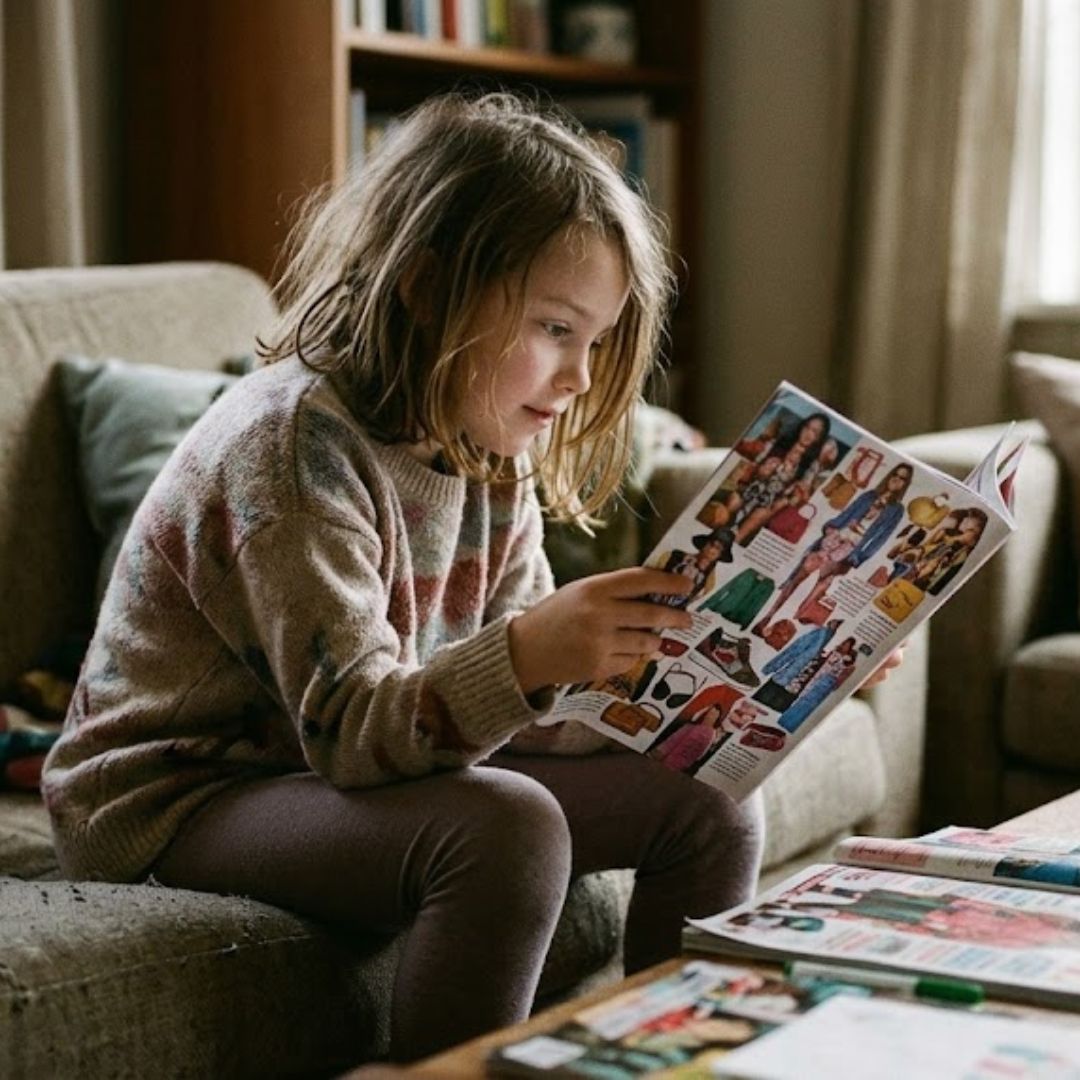
Intense, highly focused interests are a hallmark of autism, but the subject matter often differs by gender. A boy might develop an encyclopedic knowledge of train schedules or prehistoric dinosaurs—topics that stand out. A girl, however, might develop a deep, intense fascination with popular bands, animals, or fashion. Because these interests align with typical childhood hobbies, the intensity of the focus is often missed by educators and parents.
Social Challenges and Peer Relationships
While both genders experience social challenges, they manifest differently. Boys might isolate themselves or struggle to engage in group play altogether. Girls, conversely, might stay on the periphery of social groups, adopting a passive role to avoid drawing attention. They may struggle to navigate the complex, unwritten rules of middle-school friendships, often becoming vulnerable to bullying or relational misunderstandings.
If you recognize these signs in your child, early support can make a profound difference. At Children’s Milestone, we specialize in personalized, in-home ABA therapy tailored to your child’s unique needs. We proudly serve families across Maryland, the District of Columbia, and Virginia. Contact us today to learn how our dedicated team can support your family.