
Early intervention programs offer meaningful pathways to help young children develop essential communication and social abilities. While traditional Applied Behavior Analysis relies on structured tasks to build foundational skills, the Early Start Denver Model integrates these principles into natural, play-based routines. Understanding these two evidence-based approaches empowers families to choose the right developmental support. We examine how ESDM compares to traditional therapy methods.
Integrating Play-Based Learning in Natural Settings
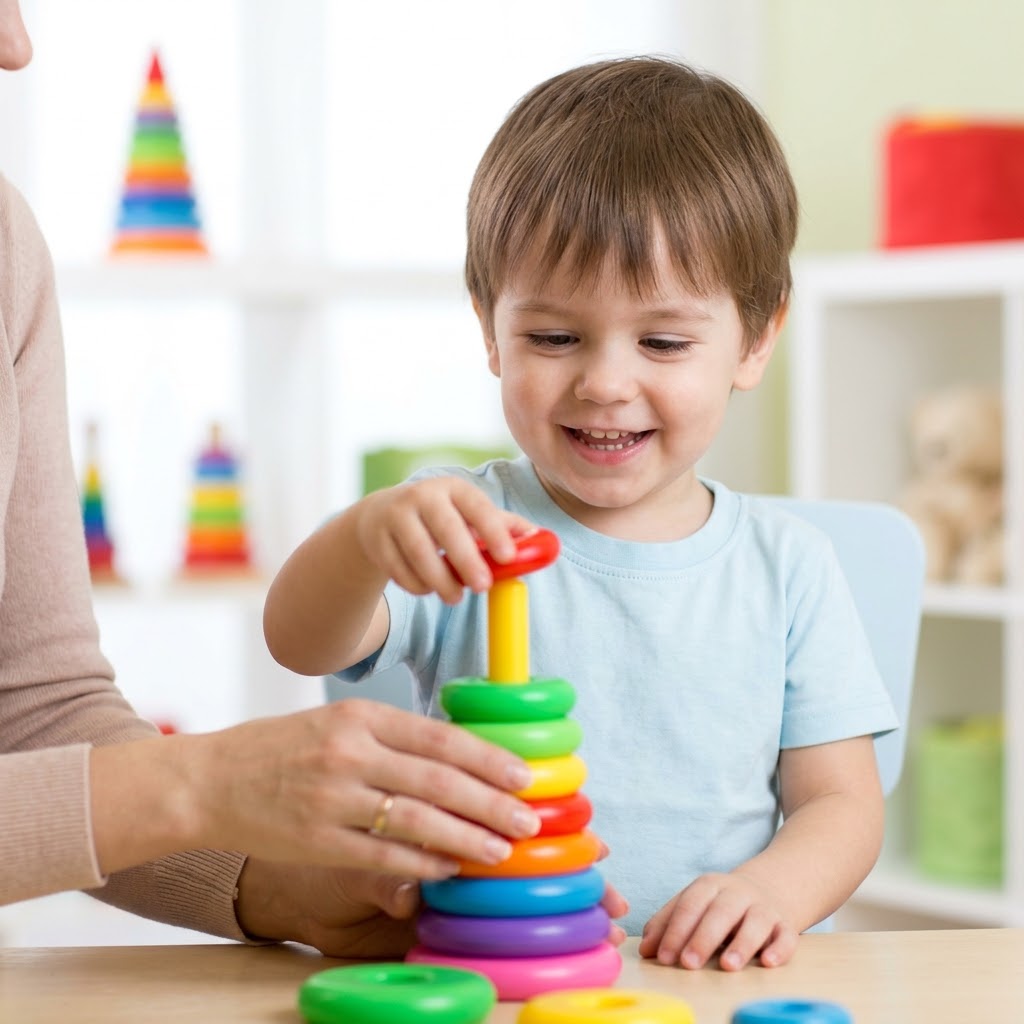
The Early Start Denver Model focuses on naturalistic, child-led play activities rather than structured desk sessions. Therapists embed learning targets directly into fun, everyday interactions, making skill acquisition feel seamless and enjoyable. This play-based approach encourages active participation, natural curiosity, and emotional connection while keeping young children fully engaged throughout their daily developmental routines.
Emphasizing Shared Engagement and Relationship Building
Relationship-driven interactions serve as the foundation of the ESDM approach, placing strong emphasis on mutual enjoyment and joint attention. Traditional methods often utilize clear adult-led prompts and discrete trial training to teach specific behaviors. In contrast, ESDM prioritizes positive emotional exchanges, helping children build meaningful social connections naturally through shared, interactive play experiences.

Fostering Broad Developmental Growth Across Domains
Traditional ABA therapy frequently targets specific, isolated behaviors or skill deficits through repetitive practice. The ESDM model addresses multiple developmental domains simultaneously, including language, social interaction, motor skills, and play. Integrating goals into holistic activities allows children to generalize new abilities effortlessly across various everyday environments and social settings.

Involving Families Centrally in Daily Intervention
Family participation is a cornerstone of the ESDM model, encouraging parents to implement therapeutic strategies during home routines. While traditional framework approaches rely heavily on clinical sessions, ESDM empowers caregivers to weave learning opportunities into daily caregiving. Active parental involvement ensures consistent support, reinforcing progress during mealtime, bath time, and family play.

Choosing the ideal therapeutic approach helps nurture your child’s confidence, communication skills, and social independence. At Children’s Milestone, we offer specialized, individualized ABA therapy and autism therapy designed to honor your child’s unique developmental journey. Discover our family-centered therapy programs online today or reach out to our team to schedule a personal consultation for your child.