
Observing your baby’s developmental milestones is an exciting part of early parenthood, filled with unique moments of growth and interaction. Early identification of developmental differences allows families to access supportive resources and early intervention services promptly. Understanding subtle social, communicative, and behavioral cues in infancy helps parents advocate effectively for their child’s unique developmental journey. In this bloog, we explore key early indicators to help guide your family’s observations.
Limited Eye Contact and Reduced Social Smiling
Infants typically begin making frequent eye contact and sharing warm smiles with caregivers during early interactions. A reduction or absence of consistent eye contact during feeding or play can indicate early social communication differences. Similarly, limited smiling or delayed emotional responses to familiar faces often warrants closer developmental observation.

Delayed Response to Name and Sound Cues
By six to nine months, babies usually turn their head or react when hearing their name called by loved ones. An infant who consistently does not respond to vocal cues or caregiver voices might show early auditory orientation differences. Rule out hearing concerns first, then monitor whether these responses persist across different settings.
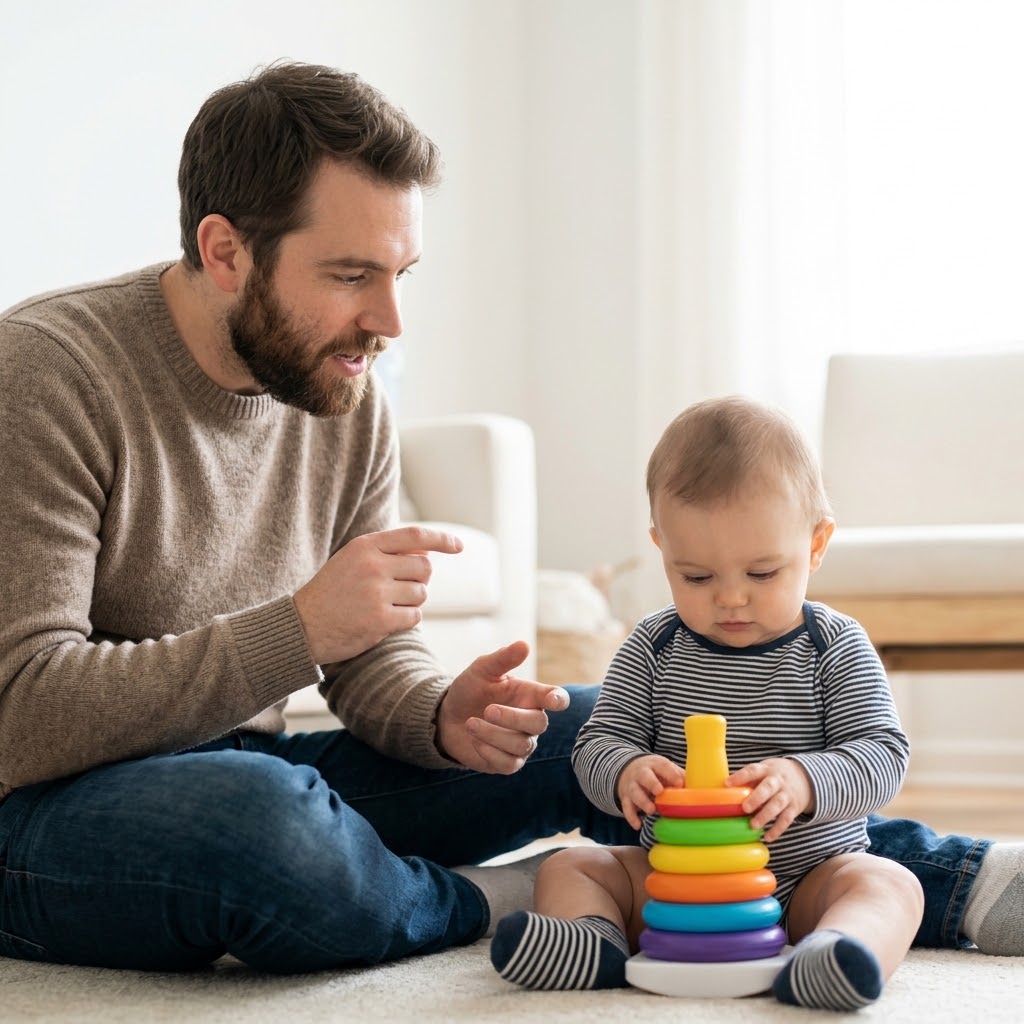
Unusual Gestural Communication and Pointing
Babies frequently use gestures like pointing, waving, or reaching to share interest and communicate their needs before speaking. A lack of back-and-forth gesturing by twelve months may suggest potential delays in nonverbal communication development. Noticing whether your child uses physical gestures to direct your attention helps track early connection skills.

Repetitive Movements and Sensory Sensitivities
Infants showing early signs of autism may engage in repetitive physical movements, such as hand-flapping, finger-flicking, or unusual body posture. You might also observe intense reactions to sensory stimuli, such as heightened sensitivity to lights, sounds, or textures. Recognizing these behavioral patterns early provides valuable insight into your child’s processing needs.

Early recognition of developmental nuances creates opportunities for meaningful, play-based support tailored to your child’s natural environment. At Children’s Milestone, we specialize in compassionate, evidence-based ABA therapy and individualized autism therapy designed to enhance communication and independence. Explore our in-home therapy options online today or contact our dedicated team to schedule an initial consultation for your child.