
Behavior is a primary form of communication, especially for young children navigating their environment. Applied Behavior Analysis helps us identify why certain behaviors occur by looking at their underlying purpose. Recognizing these patterns allows families and therapists to respond with positive support strategies. We explore the four fundamental functions of behavior recognized in ABA therapy.
Gaining Access to Tangible Items or Activities
Tangible-driven behavior occurs when a child seeks a specific object, food, or activity. A child might engage in a behavior to obtain a favorite toy, snack, or device. Identifying this function allows us to teach communication skills so children can express their desires effectively while learning how to request preferred items appropriately.

Seeking Social Attention or Connection
Attention-seeking behaviors occur when a child wants interaction or recognition from parents, caregivers, or peers. This can include positive responses or any form of social reaction. Understanding this function helps us teach children appropriate ways to initiate social connections, gain adult attention, and build meaningful relationships with those around them.

Escaping or Avoiding Unwanted Demands
Escape-driven behaviors happen when a child attempts to avoid a task, transition, environment, or instruction they find overwhelming or difficult. By recognizing escape as a function, we can adjust teaching strategies, break tasks into smaller steps, or teach acceptable ways for a child to request a break or ask for help.
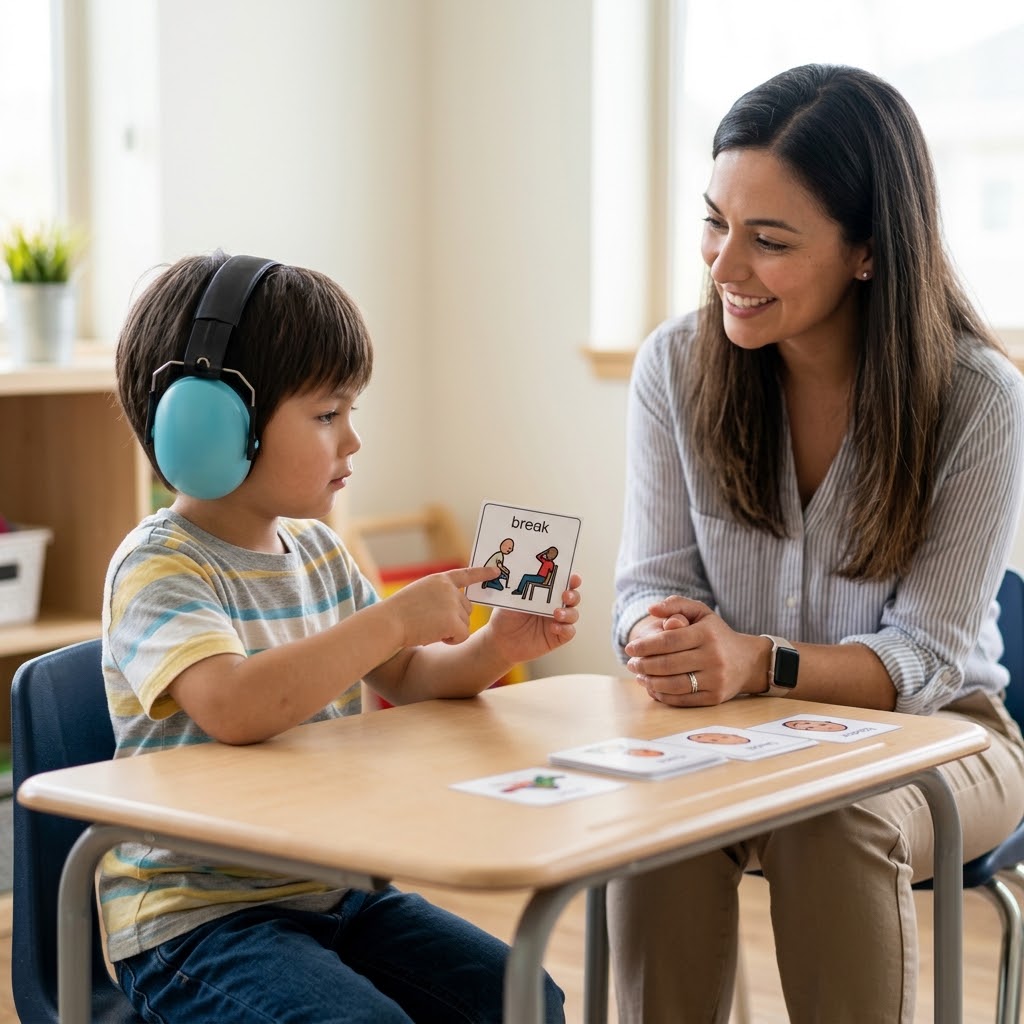
Fulfilling Sensory or Automatic Reinforcement
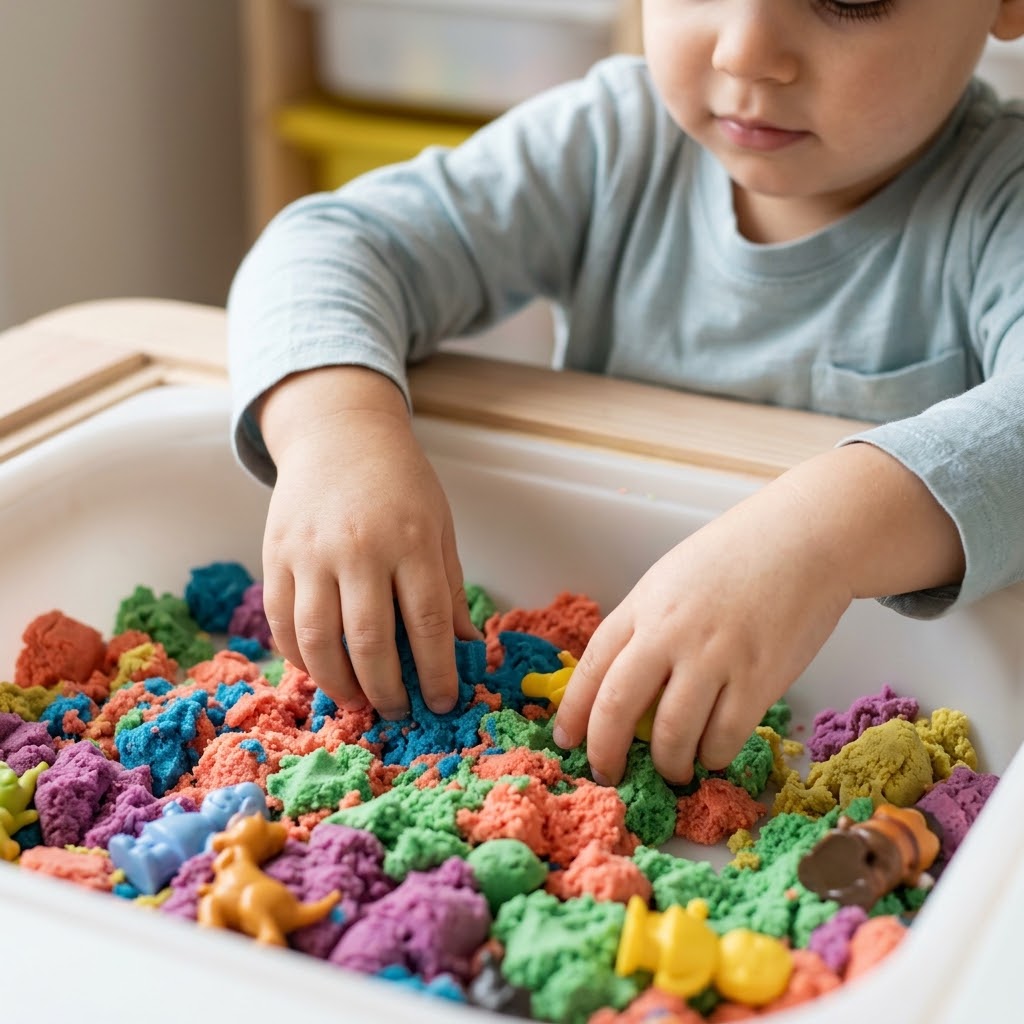
Sensory behavior occurs naturally because the action itself provides an internal feeling or sensory sensation that feels pleasing or soothing. These self-stimulatory behaviors happen independently of external rewards. Identifying sensory needs allows us to offer safe, functional alternatives that meet a child’s sensory processing requirements comfortably throughout the day.
Understanding why behaviors occur empowers families to guide their children toward effective communication and growth. At Children’s Milestone, we specialize in individualized ABA therapy and autism therapy tailored to your child’s unique needs and strengths. Explore our family-centered therapy programs online today or contact our dedicated team to schedule an initial consultation for your child.