
Navigating early childhood development can feel overwhelming, especially when trying to distinguish typical toddler tantrums from underlying developmental challenges. Raising autistic kids often means paying close attention to early communication and behavioral cues. Recognizing these subtle signs early allows families to seek timely guidance and supportive interventions, ensuring every child receives the tailored encouragement they need to thrive.
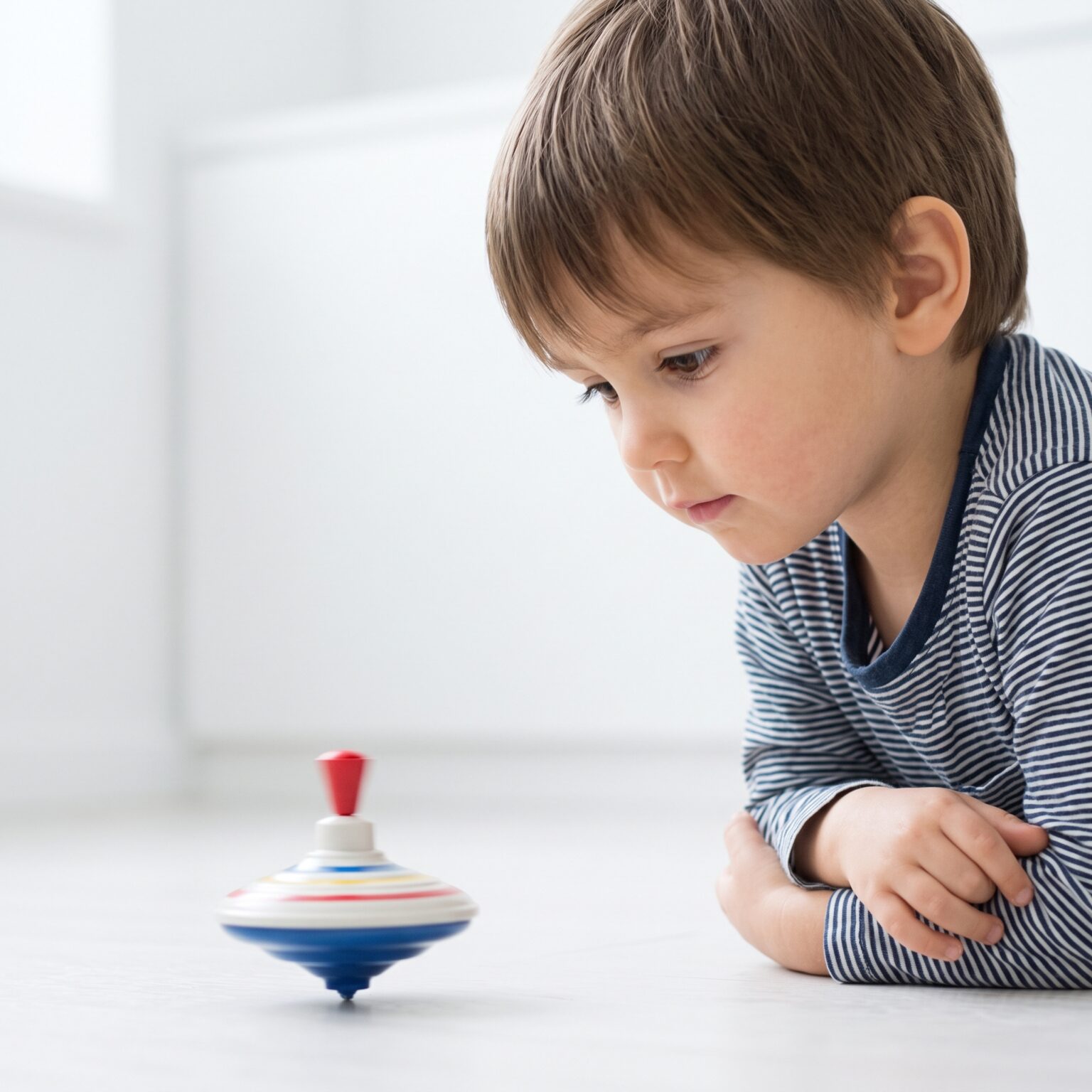
Limited Verbal Communication and Social Engagement
By age three, children typically express themselves using short sentences and engage naturally with peers. If a child consistently avoids eye contact, shows little interest in interacting with family members, or rarely uses spoken words to express basic needs, these communication barriers may indicate an underlying developmental delay or early sign of autism.
Intense Repetitive Behaviors and Rigid Routines
While structure benefits every growing toddler, extreme distress over minor routine changes or persistent, repetitive movements like hand-flapping and body-rocking warrant attention. Autistic kids often use repetitive actions to self-regulate, but when these behaviors hinder daily functioning or learning, professional evaluation can help clarify your child’s unique needs.

Hyper- or Hypo-Reactivity to Sensory Input
Sensory processing plays a massive role in how young children experience the world around them daily. A child who becomes excessively overwhelmed by everyday sounds, textured clothing, or bright lights—or conversely, seems unusually indifferent to pain or sudden loud noises—may be processing sensory information differently than expected for their age.

Extreme Difficulty Managing Frequent Emotional Outbursts
Frequent, intense meltdowns that last unusually long and seem difficult to soothe can signal underlying frustration with communication or sensory processing. When a child struggles to regulate strong emotions or self-soothe effectively, targeted developmental strategies can provide the structure and support needed to build healthier emotional coping skills.
Recognizing developmental milestones and identifying potential behavioral red flags early can empower families to make informed choices for their child’s growth. Raising autism awareness helps parents foster supportive environments where every child can flourish at their own pace. At Children’s Milestone, we specialize in personalized applied behavior analysis (ABA) programs designed to nurture communication, social skills, and emotional regulation. If you have questions about your child’s progress or want to learn more about our individualized ABA services, reach out to our team today to schedule a consultation.