
It is a common scenario that leaves many parents feeling anxious and confused: you ask your four-year-old to grab their shoes, and they do it immediately. They follow directions, laugh at the right moments in cartoons, and clearly comprehend what is happening around them. Yet, when it comes to speaking, they remain silent or use very few words.
If your 4-year-old understands you but isn’t talking, you are not alone. This gap between understanding and speaking is a frequent concern for parents exploring autism early intervention. Here is a guide to understanding what your child is experiencing and the proactive steps you can take to support their communication journey.
Understanding Receptive vs. Expressive Language
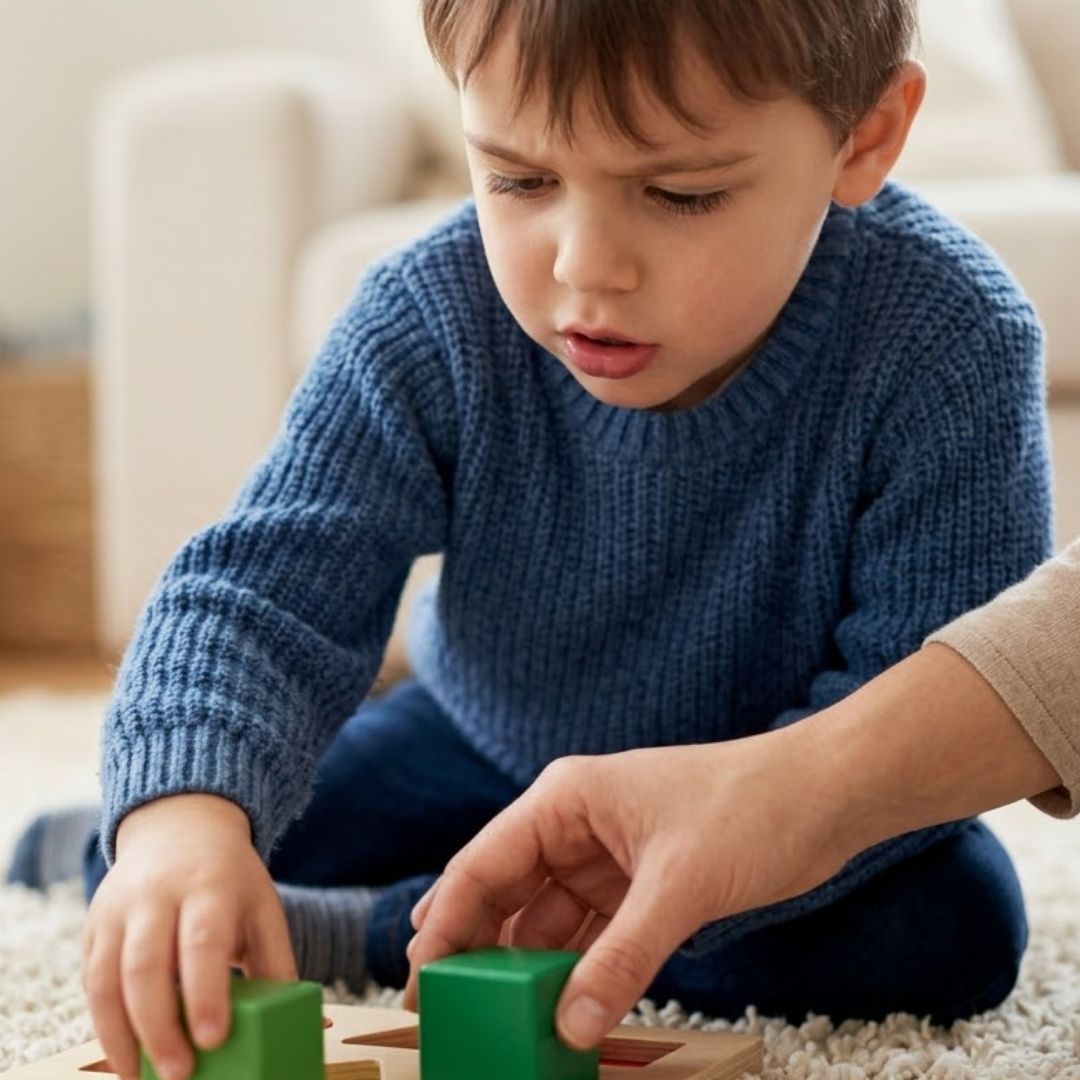
To understand what your child is going through, it helps to know the difference between two key types of communication. Receptive language refers to the ability to understand information, process requests, and comprehend what others are saying. Expressive language is the ability to put thoughts into words, gestures, or symbols to communicate with others.
When a child can follow instructions but does not speak, they have strong receptive language skills but are experiencing a delay in expressive language. Recognizing this is incredibly important—it means your child is engaged, learning, and actively processing the world. They simply need the right tools and support to bridge the gap and express their own needs and thoughts.
The Importance of Early Intervention
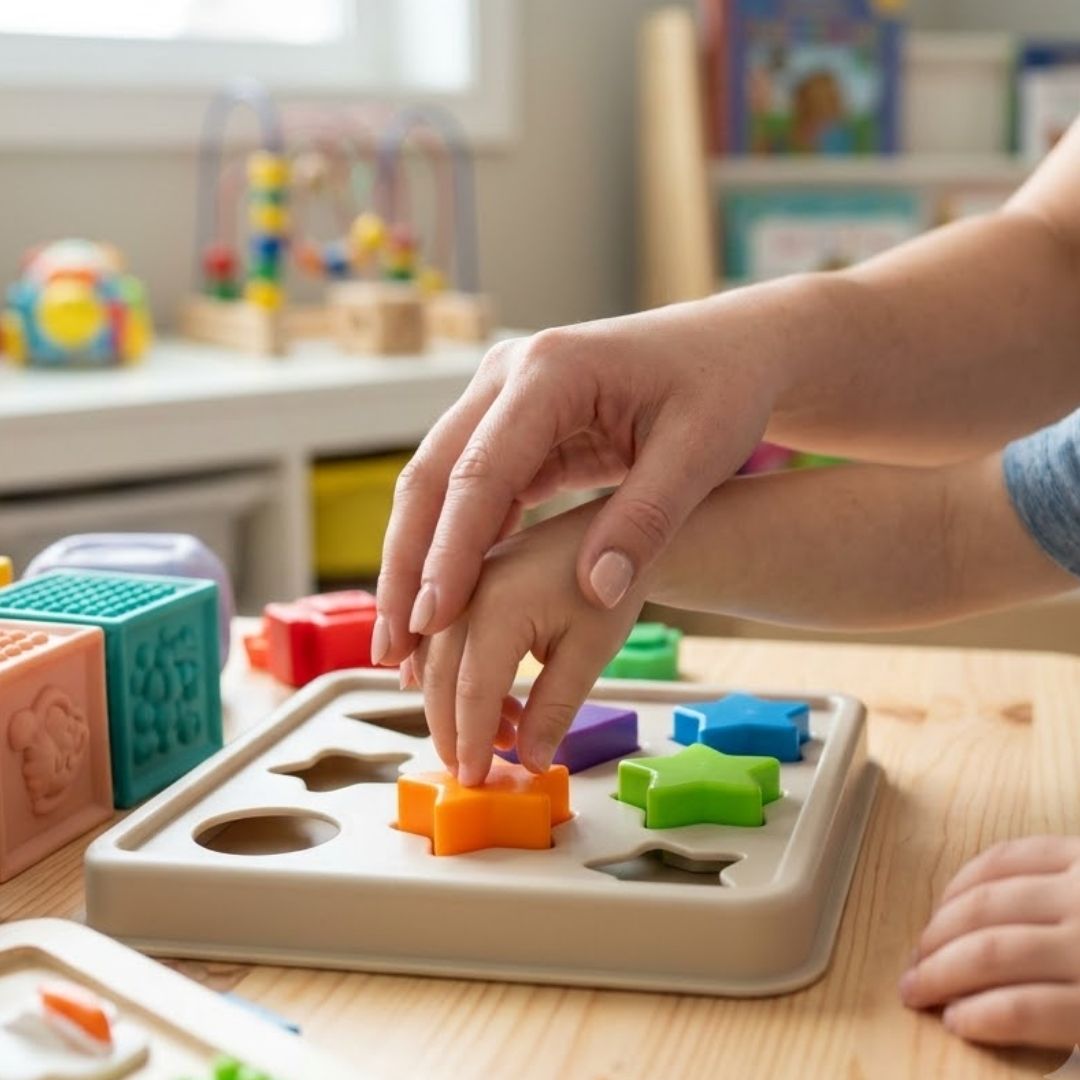
When faced with a speech delay in a 4-year-old, well-meaning friends or family might suggest a “wait and see” approach. However, research consistently shows that early intervention is the most effective path forward.
At four years old, a child’s brain is highly adaptable. By introducing evidence-based support early on, you can help prevent frustration. Often, children who cannot express their needs may resort to challenging behaviors—like crying, pointing, or leading you by the hand—simply because they do not have another way to be heard. Seeking professional evaluations, such as a speech-language assessment or an autism screening, is a vital first step to unlocking their communication potential.
How ABA Therapy Builds Communication Skills
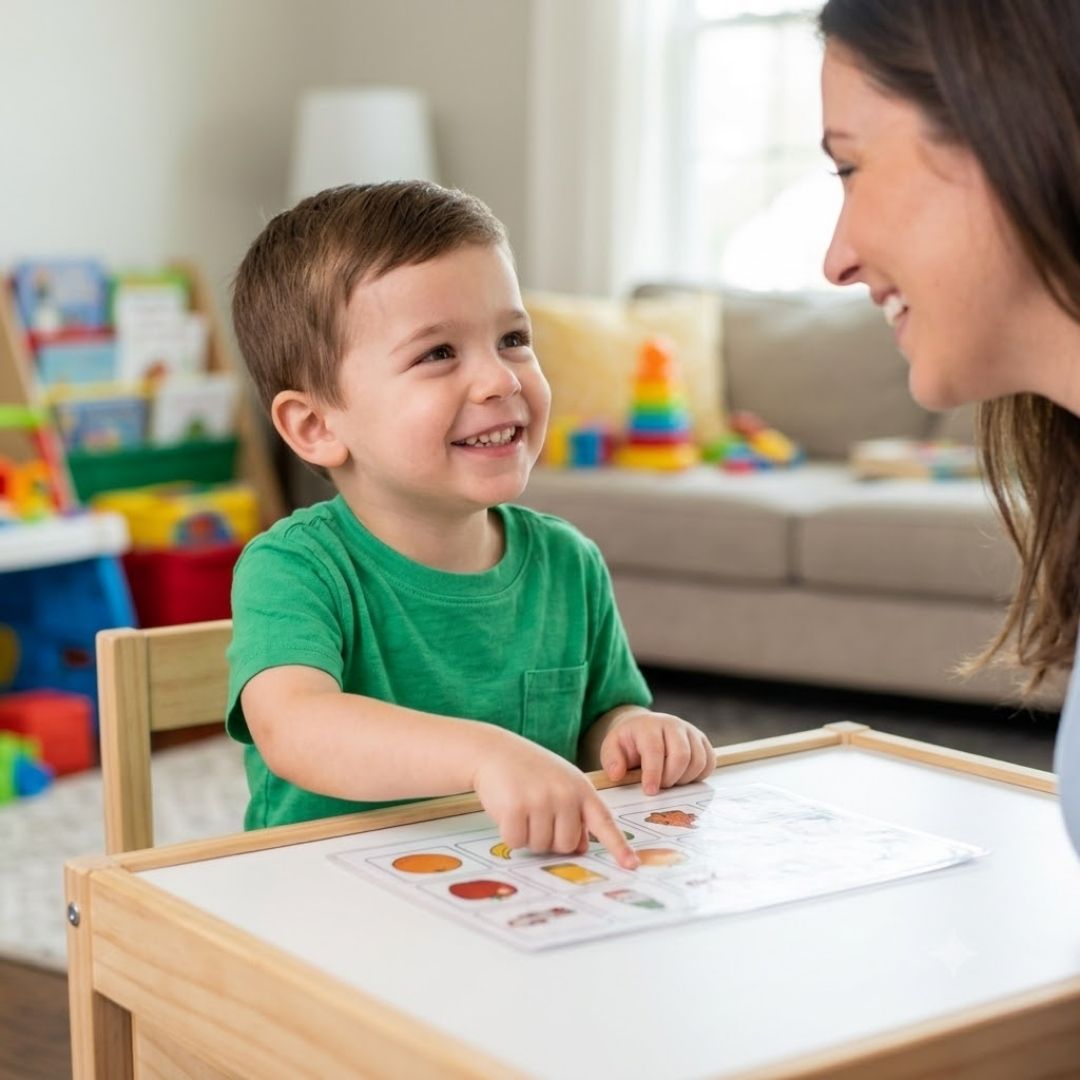
Applied Behavior Analysis (ABA) is highly effective at teaching and improving expressive communication. At Children’s Milestone, our in-home ABA therapy programs focus heavily on Functional Communication Training (FCT). We assess how your child currently communicates and systematically teach them more effective, socially appropriate ways to express themselves.
Our Board-Certified Behavior Analysts (BCBAs) and Registered Behavior Technicians (RBTs) use Natural Environment Teaching (NET). This means we use your child’s favorite toys and activities to motivate them to communicate. Furthermore, ABA therapy embraces all forms of communication. If vocal speech is delayed, we seamlessly integrate Augmentative and Alternative Communication (AAC)—such as sign language, picture exchange systems, or speech-generating tablets—ensuring your child always has a voice.
Strategies You Can Try at Home Today

While professional therapy is highly recommended, there are strategies you can begin using at home immediately to encourage your child to communicate:
-
Offer Choices: Instead of handing your child a snack, hold up an apple and a cracker and wait for them to point, reach, or attempt a sound to indicate their preference.
-
Use the “Pause”: During a familiar routine or song, pause before the final step or word. Wait a few seconds to see if your child will make a sound or gesture to prompt you to continue.
-
Narrate Their Play: Speak in short, simple phrases about what they are doing (“Push car,” “Up high!”). Keeping language simple makes it easier for them to imitate.
Parent training is a core component of ABA therapy services. Your therapy team will work closely with you to implement these strategies consistently, turning everyday moments into powerful learning opportunities.
Ready to Support Your Child’s Voice?
Every child communicates on their own timeline, but providing them with the right support makes all the difference. If you are concerned about your child’s speech and are looking for in-home ABA therapy in Maryland, Washington, D.C., or Virginia, Children’s Milestone is here to help.
Contact our team today to learn more about our individualized assessments and how we can empower your child to communicate confidently.